
PATIENT RESOURCES | IMAGING
Imaging & Treatment Decisions
Understanding the Role of Imaging in Your Care
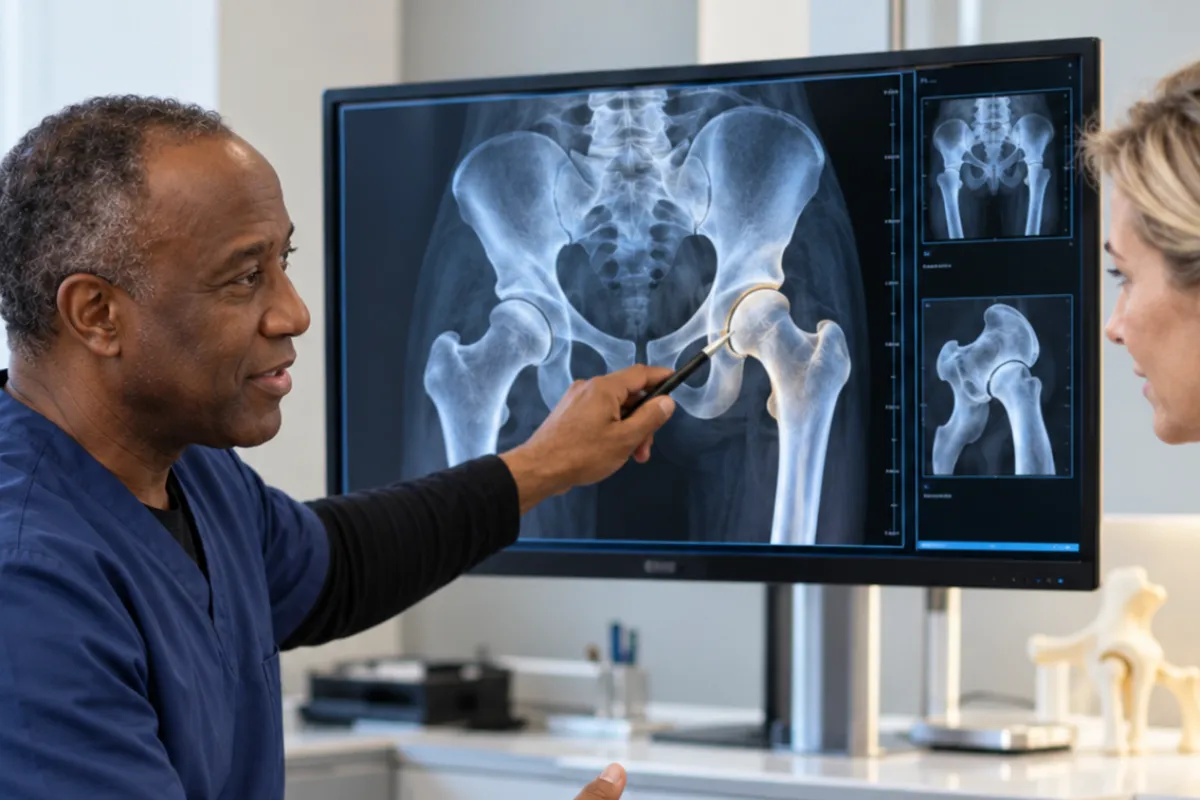
Medical imaging can provide valuable information during the assessment of joint, spine and other musculoskeletal concerns. However, imaging findings are only one part of a broader clinical picture.
X-rays, MRI scans and other investigations may help clinicians understand relevant anatomical findings, but their significance must be considered alongside your symptoms, medical history, physical function and clinical examination.
At Miami Stem Cell Clinic, treatment discussions should begin with an individual assessment, careful interpretation of available information and consideration of appropriate care options.
Imaging findings alone do not establish a diagnosis, confirm treatment suitability or guarantee that a particular intervention will be recommended.


UNDERSTANDING MEDICAL IMAGING
Why Imaging Is One Part of Clinical Assessment
Medical imaging can help clinicians examine anatomical structures and consider findings that may be relevant to a patient's concerns.
Different imaging methods provide different types of information. Their value depends on the clinical question being investigated and how the findings relate to the individual assessment. Imaging should therefore support clinical reasoning rather than replace it.
Understanding Anatomical Findings
Imaging may help identify or characterize structural features that are relevant to the area being assessed.
The significance of these findings depends on the patient's overall clinical picture.
Supporting Clinical Evaluation
Imaging findings may be considered alongside symptoms, medical history, physical examination and previous treatment information.
This combined approach can help clinicians determine what further assessment may be appropriate.
Informing Appropriate Next Steps
Where relevant, imaging may contribute to discussions about further investigations, rehabilitation, specialist assessment or other care options.
An imaging result does not, by itself, establish that a particular procedure is necessary.
DIFFERENT IMAGING METHODS
Understanding X-Rays, MRI Scans and Other Investigations
Different imaging methods can help answer different clinical questions.
The selection of an investigation depends on the clinical concern, the information already available and whether additional imaging is likely to contribute to an appropriate assessment.
X-Rays
Understanding Bone and Joint Structure
X-rays are commonly used to examine bones and aspects of joint alignment. They may help clinicians assess certain structural findings when relevant to the patient's symptoms and examination.
However, X-rays do not provide the same level of soft-tissue detail as some other imaging techniques.
MRI Scans
Reviewing Soft Tissues and Other Structures
MRI can provide detailed images of many soft-tissue structures, including muscles, tendons, ligaments and spinal discs.
The clinical significance of an MRI finding depends on the patient's symptoms, examination and the particular concern being investigated.
Other Investigations
Selecting Information for the Clinical Question
Other investigations, such as ultrasound or CT imaging, may be considered in particular clinical circumstances.
Each method has different capabilities and limitations. Additional investigations are considered when they may help answer a relevant clinical question.
The most appropriate imaging method, if any, depends on the individual assessment. More imaging does not automatically mean better clinical decision-making.
INTERPRETING IMAGING RESULTS
Why Imaging Findings Do Not Always Tell the Whole Story
An imaging report may describe structural features or abnormalities, but the presence of a finding does not automatically establish the cause of a patient's symptoms.
Imaging information must be interpreted in the context of the individual clinical assessment.
A clinician may consider whether the imaging findings are consistent with the location and nature of symptoms, relevant examination findings and the patient's functional concerns.
Important Considerations
Findings and Symptoms May Differ
An imaging abnormality does not necessarily explain the type or severity of symptoms experienced by an individual patient.
Clinical Context Matters
Medical history, physical examination, previous care and functional concerns help inform how imaging findings are interpreted.
Not Every Finding Requires a Procedure
An imaging result does not automatically establish the need for an injection, surgery or another intervention.
Uncertainty Should Be Explained
When imaging findings are unclear, the clinician should explain the uncertainty and whether further evaluation may be appropriate.
Imaging supports clinical understanding, but treatment decisions should reflect the individual patient rather than an isolated scan finding.
THE CLINICAL ASSESSMENT PROCESS
From Imaging Findings to Informed Care Decisions
Clinical decisions should consider imaging results alongside the patient's history, symptoms and examination findings.
The process may include the following steps.
Understand Your Concerns
The clinician reviews your symptoms, medical history, functional limitations and previous care to understand the reason for your assessment.
Review Relevant Imaging
Existing X-rays, MRI scans or other reports may be reviewed to identify findings relevant to the clinical concern.
Consider the Clinical Picture
Imaging information is interpreted alongside examination findings, daily function and the patient's individual circumstances.
Discuss Appropriate Next Steps
The clinician explains relevant findings, uncertainties and appropriate next steps, including rehabilitation, further assessment or specialist referral.
An imaging result is one part of an informed clinical decision—not a commitment to a particular treatment.
INDIVIDUALIZED CLINICAL EVALUATION
When Additional Imaging or Assessment May Be Considered
Not every patient requires additional imaging. The need for further investigations depends on the clinical concern and the information already available.
A clinician may consider further evaluation when existing information does not adequately answer a relevant clinical question or when additional findings could influence appropriate care decisions.
Further Evaluation May Involve
Reviewing existing reports: Considering previous imaging findings and their relevance to the current concern.
Clarifying the clinical picture: Assessing symptoms, medical history and examination findings alongside available information.
Considering further investigations: Determining whether another imaging method or assessment may provide relevant information.
Discussing established care: Considering appropriate rehabilitation, medical management or other options.
Specialist referral: Seeking additional clinical input when the concern requires expertise or assessment beyond the available scope.
What Happens Next?
If further investigation is appropriate, your clinician should explain its purpose, limitations and how the results may inform your care decisions.
Additional imaging is not always necessary and does not guarantee that the cause of symptoms will be identified.
INFORMED PATIENT QUESTIONS
Questions Worth Asking About Your Imaging Results
Understanding the purpose and limitations of medical imaging can help patients have clearer discussions with their clinicians.
You may wish to ask how imaging findings relate to your symptoms, whether additional evaluation is needed and what the available information means for your care options.

Patients should have an opportunity to ask questions and understand relevant findings before making decisions about care.
Questions to Discuss
1. What does my imaging report show?
2. Which findings may be relevant to my symptoms?
3. Are any findings common or potentially unrelated to my concerns?
4. How do these findings relate to my clinical examination?
5. Are further investigations necessary?
6. What are the limitations of the imaging information available?
7. What treatment or management options should I consider?
8. What are the potential benefits, risks and alternatives?
9. Would rehabilitation, established care or specialist referral be appropriate?
FAQ
Frequently Asked Questions About Imaging & Treatment Decisions

Why might imaging be considered during a clinical assessment?
Imaging may provide additional information about anatomical structures or findings relevant to a patient's concerns. Whether imaging is appropriate depends on the clinical question and individual assessment.
Does an abnormal imaging result always explain my symptoms?
No. An imaging finding does not automatically establish the cause of symptoms. Results should be considered alongside medical history, physical examination and other relevant information.
Is an MRI always necessary before making treatment decisions?
No. Whether an MRI is useful depends on the clinical concern, findings from the assessment and the information already available. Not every situation requires MRI imaging.
Can imaging determine which treatment I need?
Imaging may contribute to treatment discussions, but it does not independently establish which option is appropriate. Clinical decisions require consideration of the broader patient picture.
What if my symptoms and imaging findings do not appear to match?
Your clinician may discuss the significance and limitations of the findings and whether additional evaluation is appropriate. An apparent difference between imaging and symptoms does not automatically establish a particular diagnosis.
Can imaging show whether tissue has regenerated?
Some imaging methods can demonstrate structural features or changes, but interpreting those findings requires appropriate clinical and scientific evidence. Imaging changes alone should not be presented as proof of meaningful tissue regeneration or improved clinical outcomes.
Will I need to provide previous imaging before my consultation?
Existing imaging reports may be helpful when relevant to your assessment. The clinic's team should explain what information is needed and how to share it through an appropriate secure process.
Does having an imaging result mean I am eligible for a particular treatment?
No. Imaging alone does not establish clinical suitability, regulatory availability or the recommendation of a particular intervention.
BEGIN WITH AN INFORMED CONSULTATION
Understand Your Findings. Explore Your Options.
Understanding the role of imaging can support clearer conversations about your health concerns and appropriate next steps. A consultation provides an opportunity to review relevant medical information, discuss your symptoms and consider the available clinical options in the context of your individual assessment. You do not need to choose a treatment before requesting a consultation.
An enquiry does not confirm an appointment, establish treatment suitability or guarantee a particular clinical outcome.

Physician-led regenerative medicine in Miami and at 82 Harley Street in London, focused on orthopedics and structural pain.
CARE AREAS
TREATMENT & SAFETY
ABOUT
CONNECT


© 2026 Miami Stem Cell Clinic. All rights reserved.
Distinct organizations: