
Call (305) 434-2647
CONDITIONS & CARE · KNEE PAIN
Knee Pain Assessment
Understand Your Knee Pain. Explore Your Options.
Knee pain can affect walking, standing, exercise, and everyday activities. Understanding what may be contributing to your symptoms is an important first step toward making an informed decision about care.
At Miami Stem Cell Clinic, our assessment-led approach considers your symptoms, medical history, previous treatment, knee function, and relevant imaging before discussing appropriate next steps.
Physician-Led Care
Individualised clinical assessment and guidance.
Evidence & Transparency
Clear information about care options, evidence, and limitations.
Personalised Care Plan
Recommendations guided by your goals and clinical findings.
UNDERSTANDING YOUR CONDITION
Knee Pain Can Have Different Causes
Not all knee pain has the same origin. Discomfort may involve the knee joint, cartilage, menisci, ligaments, tendons, or surrounding tissues. In some cases, symptoms may also be influenced by an issue elsewhere.
Common concerns patients may wish to discuss include:
Pain or stiffness in the knee.
Discomfort while walking, standing, or climbing stairs.
Swelling or tenderness following an injury.
Reduced knee movement or flexibility.
Difficulty bending or straightening the knee.
A feeling of instability or the knee giving way.
Persistent discomfort despite previous care.
Symptoms may be associated with different underlying conditions, includi
A clinical assessment helps clarify possible contributing factors and determine whether further investigation or specialist evaluation may be appropriate.
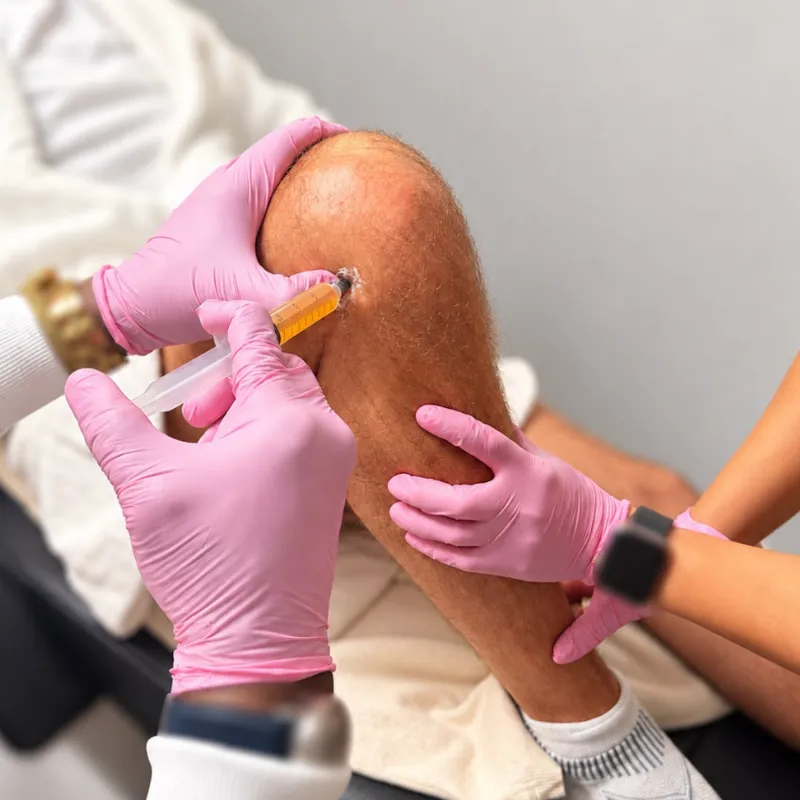
PHYSICIAN-LED ASSESSMENT
Understanding the Full Clinical Picture
A considered knee assessment looks beyond the location of pain. Your clinician may review how symptoms developed, how they affect mobility and daily activities, and what previous investigations or treatments have shown.
1. Understand Your Symptoms
Discuss the location, duration, and pattern of knee discomfort, including movement limitations, instability, swelling, and everyday functional concerns.
2. Review Medical History
Consider relevant medical conditions, previous knee injuries, treatment history, rehabilitation experience, and available clinical records.
3. Assess Knee Function
Where appropriate, a clinical examination may explore joint movement, tenderness, stability, strength, and findings relevant to possible ligament, tendon, meniscus, or other joint involvement.
4. Review Relevant Imaging
Existing X-rays, MRI scans, ultrasound studies, or other investigations may be reviewed where clinically appropriate. Imaging findings are considered alongside symptoms and examination findings.
Further investigation or specialist assessment may be recommended when needed to clarify the clinical picture.
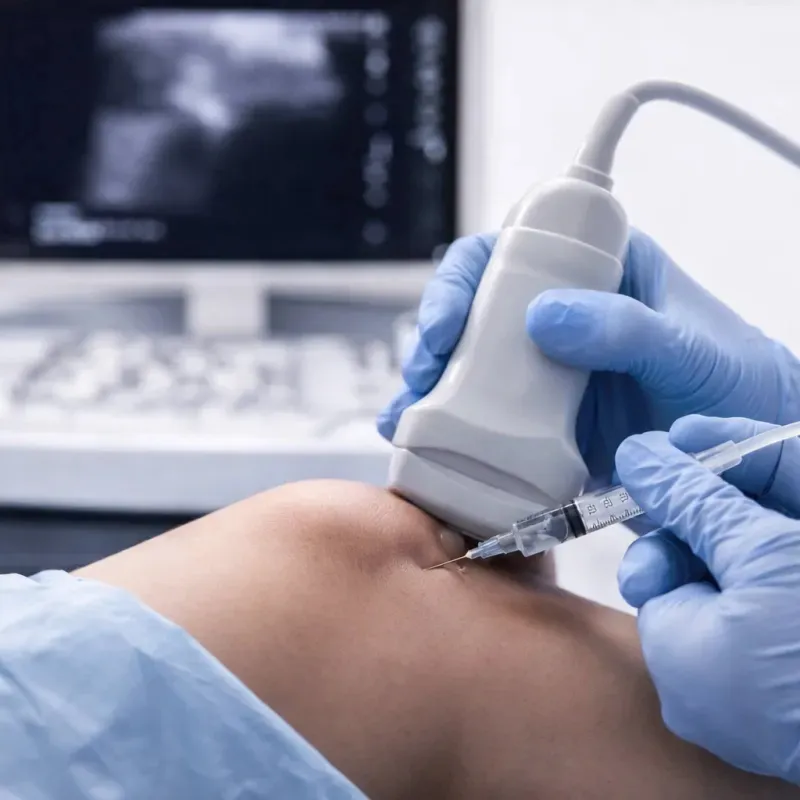
INDIVIDUALISED CARE
Recommendations Begin With an Assessment
There is no single treatment approach appropriate for every person experiencing knee pain. Recommendations depend on the possible diagnosis, medical history, symptoms, clinical findings, and individual functional goals.
Following a clinical evaluation, your clinician may discuss options such as:
Conservative Care
Depending on the findings, established nonsurgical approaches may be considered, including appropriate activity modification and other clinician-recommended management strategies.
.
Rehabilitation And Movement
Individualised rehabilitation may be discussed to address movement limitations, knee strength, stability, mobility, and relevant everyday activities.
Specialist Evaluation
Some symptoms or clinical findings may require further investigation or assessment by an appropriate knee specialist, including surgical advice when indicated.
Clinic-Specific
Treatment Options
Any clinic-specific treatment requires an individual assessment of suitability, supporting evidence, potential risks, and alternatives. Treatment eligibility cannot be determined from symptoms alone.
THOUGHTFUL TREATMENT SELECTION
Is a Particular Treatment Appropriate for You?
Suitability depends on the possible cause of your knee symptoms, medical history, examination findings, available evidence, and the potential benefits and risks of each option.
A consultation may help clarify whether conservative care, rehabilitation, further investigation, specialist referral, or another approach should be considered.
Some knee concerns, particularly those involving significant injury, instability, substantial loss of function, or other concerning findings, may require evaluation by another specialist or in a different care setting.
Not every knee condition is appropriate for a regenerative procedure or injection. No specific treatment can be recommended or guaranteed through a website enquiry.
Important: Any procedure may involve risks, limitations, and uncertain outcomes. Your clinician should explain material risks, reasonable alternatives, and the option of not proceeding before obtaining informed consent.

YOUR PATIENT JOURNEY
A Clear Path Toward Your Next Step
A clear, assessment-led process to help you understand your knee concerns and appropriate next steps.
Enquire
Contact the clinic to discuss your knee-related concerns and preferred consultation location.
Assess
Your clinician reviews your symptoms, medical history, previous care, and relevant clinical or imaging findings.
Understand
Discuss assessment findings, available evidence, care options, risks, limitations, and alternatives.
Plan
Agree on appropriate next steps, including follow-up, rehabilitation, further investigation, or specialist referral where needed.
FAQ
Frequently Asked Questions
Find answers to common questions about knee pain assessment, preparing for your consultation, and understanding the next steps.

What does a knee pain assessment involve?
A knee pain assessment may include discussion of your symptoms, medical history, previous treatments, and functional limitations. Your clinician may examine knee movement and stability and review relevant imaging where appropriate.
Do I need an MRI before requesting a consultation?
Not necessarily. The need for imaging depends on your symptoms, examination findings, and existing medical records. Your clinician can discuss whether additional investigation may be appropriate.
Can knee pain have different causes?
Yes. Knee discomfort may be associated with joint changes, injury, tendons, ligaments, menisci, or other structures. Symptoms alone do not establish the cause, so clinical assessment is important.
Does a consultation mean I will receive regenerative treatment?
No. A consultation does not confirm treatment suitability or eligibility. Any proposed procedure requires an individual assessment of clinical appropriateness, evidence, risks, limitations, alternatives, and applicable regulatory requirements.
What if I have already tried other treatments?
You can discuss previous medications, rehabilitation, injections, procedures, or other care with your clinician. This information may help inform further assessment and possible next steps.
Will rehabilitation or specialist referral be discussed?
Yes, where relevant. Your clinician may discuss established treatment approaches, rehabilitation, additional investigations, or referral to an appropriate specialist, depending on your clinical findings.
How can I find out about consultation fees and availability?
Contact the clinic to request information about consultation arrangements, current fees, available appointments, and location-specific requirements. Submitting an enquiry does not confirm an appointment.
TAKE THE NEXT STEP
Begin With a Better Understanding of Your Knee Pain.
You do not need to choose a treatment before contacting the clinic.
A thoughtful assessment can help clarify your concerns and support an informed discussion about appropriate next steps.
Submitting an enquiry does not confirm an appointment or establish treatment eligibility.

Physician-led regenerative medicine in Miami and at 82 Harley Street in London, focused on orthopedics and structural pain.
CARE AREAS
TREATMENT & SAFETY
ABOUT
CONNECT


© 2026 Miami Stem Cell Clinic. All rights reserved.
Distinct organizations: