REGENERATIVE INJECTIONS™
Repair at the source.
Restore confident movement.
A physician-directed regenerative program using advanced biologics to reduce inflammation, support joint stability, and stimulate true tissue repair—helping you move freely without surgery or long-term medications.
REGENERATIVE INJECTIONS™
Repair at the source.
Restore confident movement.
A physician-directed regenerative program using advanced biologics to reduce inflammation, support joint stability, and stimulate true tissue repair—helping you move freely without surgery or long-term medications.
THE PROBLEM
Department of Orthopedic Regeneration
Why Joints Fail
Inflammation, tissue breakdown, poor blood supply, and cellular degeneration lead to pain, instability, and loss of movement. Most treatments mask symptoms instead of repairing damaged tissue.
The Bridge
This program is designed to repair, not manage.
Medical Director: Prof. Dr. Bankole A. Johnson • Private & Confidential • Imaging Review Available
Department of Orthopedic Regeneration
Why Joints Fail
Inflammation, tissue breakdown, poor blood supply, and cellular degeneration lead to pain, instability, and loss of movement. Most treatments mask symptoms instead of repairing damaged tissue.
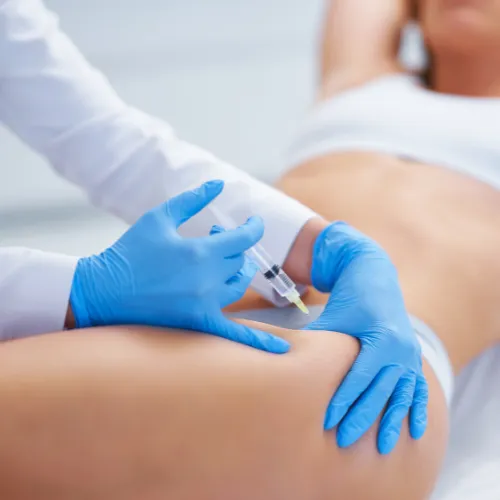
The Bridge
This program is designed to repair, not manage.
Medical Director: Prof. Dr. Bankole A. Johnson • Private & Confidential • Imaging Review Available
THE PROBLEM
Department of Orthopedic Regeneration
Why Joints Fail
Inflammation, tissue breakdown, poor blood supply, and cellular degeneration lead to pain, instability, and loss of movement. Most treatments mask symptoms instead of repairing damaged tissue.
The Bridge
This program is designed to repair, not manage.
Medical Director: Prof. Dr. Bankole A. Johnson • Private & Confidential • Imaging Review Available
Department of Orthopedic Regeneration
Why Joints Fail
Inflammation, tissue breakdown, poor blood supply, and cellular degeneration lead to pain, instability, and loss of movement. Most treatments mask symptoms instead of repairing damaged tissue.
The Bridge
This program is designed to repair, not manage.
Medical Director: Prof. Dr. Bankole A. Johnson • Private & Confidential • Imaging Review Available
What Makes This Different
Most joint injections are designed to temporarily reduce pain. Cortisone suppresses inflammation for a short period of time. Standard PRP attempts to stimulate healing but often lacks the regenerative signaling strength required for meaningful tissue repair. These approaches may provide relief, but they do not address the underlying cellular breakdown that causes joints, tendons, ligaments, and discs to continue deteriorating.
Our Precision Regenerative Injection Program is fundamentally different because it is built around advanced biologic repair, not symptom management.
Instead of relying on a single injection type, we evaluate the exact condition of the damaged tissue and select from a range of regenerative tools—stem cells, exosomes, RPA, and targeted biologic injections—to create a customized protocol designed to stimulate real tissue recovery.
Reducing the inflammatory environment that prevents healing
Delivering powerful regenerative signaling directly to damaged structures
Supporting the body’s natural repair mechanisms at the cellular level
Restoring stability and function to joints and soft tissue without surgery
This is not a “shot for pain.”
This is a physician-directed regenerative strategy designed to repair the tissue causing the pain.
Medical Director: Prof. Dr. Bankole A. Johnson • Private & Confidential • Imaging Review Available
Most joint injections are designed to temporarily reduce pain. Cortisone suppresses inflammation for a short period of time. Standard PRP attempts to stimulate healing but often lacks the regenerative signaling strength required for meaningful tissue repair. These approaches may provide relief, but they do not address the underlying cellular breakdown that causes joints, tendons, ligaments, and discs to continue deteriorating.
Our Precision Regenerative Injection Program is fundamentally different because it is built around advanced biologic repair, not symptom management.
Instead of relying on a single injection type, we evaluate the exact condition of the damaged tissue and select from a range of regenerative tools—stem cells, exosomes, RPA, and targeted biologic injections—to create a customized protocol designed to stimulate real tissue recovery.
Reducing the inflammatory environment that prevents healing
Delivering powerful regenerative signaling directly to damaged structures
Supporting the body’s natural repair mechanisms at the cellular level
Restoring stability and function to joints and soft tissue without surgery
This is not a “shot for pain.”
This is a physician-directed regenerative strategy designed to repair the tissue causing the pain.
Medical Director: Prof. Dr. Bankole A. Johnson • Private & Confidential • Imaging Review Available
What Makes This Different
Most joint injections are designed to temporarily reduce pain. Cortisone suppresses inflammation for a short period of time. Standard PRP attempts to stimulate healing but often lacks the regenerative signaling strength required for meaningful tissue repair. These approaches may provide relief, but they do not address the underlying cellular breakdown that causes joints, tendons, ligaments, and discs to continue deteriorating.
Our Precision Regenerative Injection Program is fundamentally different because it is built around advanced biologic repair, not symptom management.
Instead of relying on a single injection type, we evaluate the exact condition of the damaged tissue and select from a range of regenerative tools—stem cells, exosomes, RPA, and targeted biologic injections—to create a customized protocol designed to stimulate real tissue recovery.
Reducing the inflammatory environment that prevents healing
Delivering powerful regenerative signaling directly to damaged structures
Supporting the body’s natural repair mechanisms at the cellular level
Restoring stability and function to joints and soft tissue without surgery
This is not a “shot for pain.”
This is a physician-directed regenerative strategy designed to repair the tissue causing the pain.
Medical Director: Prof. Dr. Bankole A. Johnson • Private & Confidential • Imaging Review Available
Most joint injections are designed to temporarily reduce pain. Cortisone suppresses inflammation for a short period of time. Standard PRP attempts to stimulate healing but often lacks the regenerative signaling strength required for meaningful tissue repair. These approaches may provide relief, but they do not address the underlying cellular breakdown that causes joints, tendons, ligaments, and discs to continue deteriorating.
Our Precision Regenerative Injection Program is fundamentally different because it is built around advanced biologic repair, not symptom management.
Instead of relying on a single injection type, we evaluate the exact condition of the damaged tissue and select from a range of regenerative tools—stem cells, exosomes, RPA, and targeted biologic injections—to create a customized protocol designed to stimulate real tissue recovery.
Reducing the inflammatory environment that prevents healing
Delivering powerful regenerative signaling directly to damaged structures
Supporting the body’s natural repair mechanisms at the cellular level
Restoring stability and function to joints and soft tissue without surgery
This is not a “shot for pain.”
This is a physician-directed regenerative strategy designed to repair the tissue causing the pain.
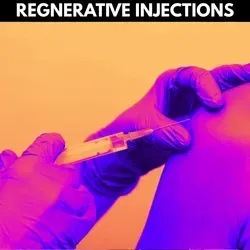
Medical Director: Prof. Dr. Bankole A. Johnson • Private & Confidential • Imaging Review Available
The Biologic Tools We Use
Each regenerative injection plan is fully customized to the patient’s specific condition, imaging findings, and tissue needs. Depending on the severity and type of degeneration, we may use PRP, RPA, stem cells, exosomes—or a strategic combination of these biologics to create the optimal healing environment inside the joint. This personalized approach allows us to target cartilage, tendons, ligaments, and joint structures with the exact regenerative support required for meaningful repair and improved function.
PRP (Platelet-Rich Plasma)
PRP uses a concentrated portion of the patient’s own platelets to deliver natural growth factors directly into injured tissue. This stimulates circulation, reduces inflammation, and accelerates healing in tendons, ligaments, cartilage, and joint structures that have been weakened by degeneration or overuse. PRP is often used as a foundational regenerative signal that enhances and supports the effects of other biologic therapies.
RPA (Regenerative Protein Array)
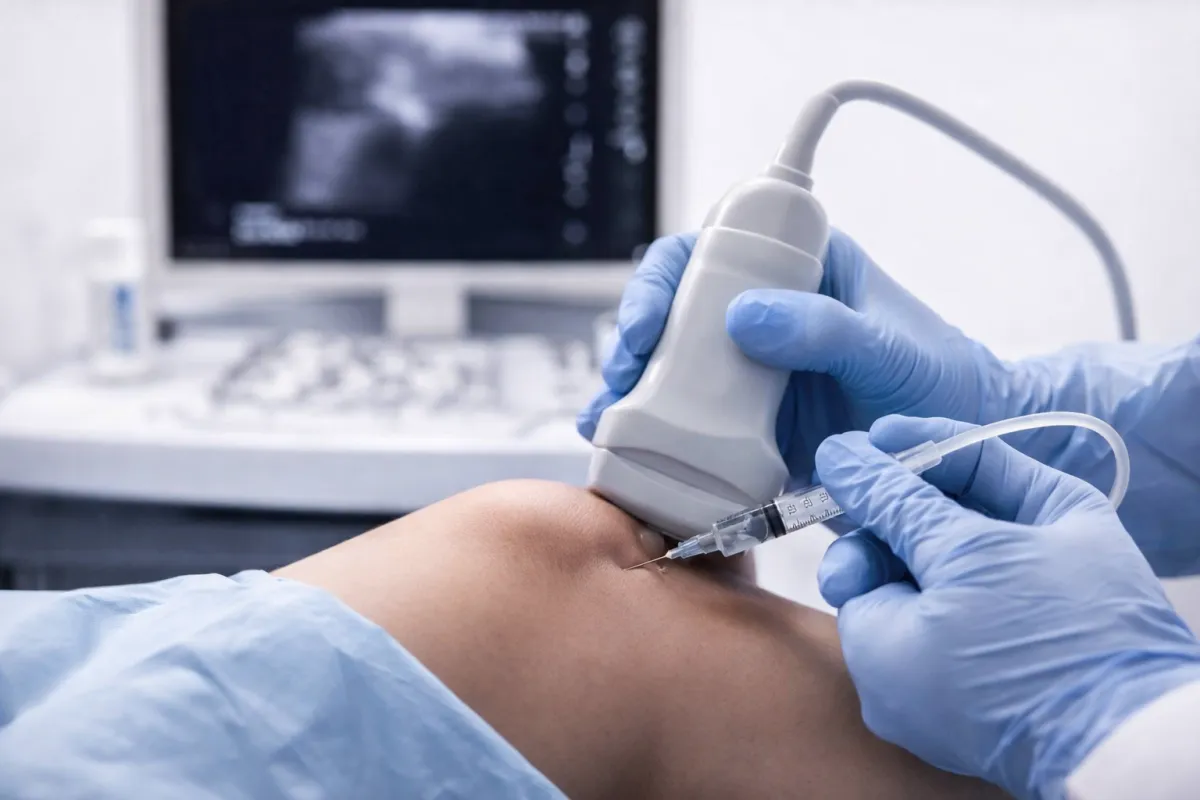
We use ultrasound guidance to ensure accurate placement of orthobiologics RPA delivers a concentrated array of growth factors, cytokines, and healing proteins directly into damaged tissue. This powerful biologic signal helps calm inflammation, improve blood flow, and activate the body’s own repair response in cartilage, tendons, ligaments, and joint structures that have lost the ability to heal on their own. at the exact anatomical target. Precision matters. Outcomes depend on it.
Stem Cells
Stem cell therapy introduces living regenerative cells into areas of degeneration where tissue breakdown, poor circulation, and chronic inflammation prevent recovery. These cells help orchestrate repair, support new tissue formation, and restore a healthier joint environment for long-term stability and function.
Exosomes
Exosomes are cellular messengers that carry powerful regenerative signals between cells. When delivered into injured joints and soft tissue, they reduce inflammation, enhance cellular communication, and stimulate repair in areas where healing has stalled due to chronic degeneration or overuse.
This program is designed to repair, not manage.
Medical Director: Prof. Dr. Bankole A. Johnson • Private & Confidential • Imaging Review Available
Areas We Treat
Our Regenerative Injections program targets cartilage loss, joint degeneration, and soft-tissue injury across the body’s most commonly affected joints. Using advanced biologic therapies, we focus on reducing inflammation, supporting tissue repair, restoring stability, and improving mobility helping patients move better and avoid unnecessary surgery.
Knee
Cartilage loss, meniscus injury, and chronic inflammation in the knee often lead to pain with walking, swelling, and the feeling that the joint is “wearing out.” These conditions are commonly labeled as arthritis or “bone-on-bone,” but the real issue is tissue degeneration and loss of joint cushioning. Our regenerative approach focuses on restoring joint environment, reducing inflammation, and supporting cartilage and meniscal healing to improve stability, comfort, and mobility without rushing toward surgery.
Cartilage loss / “bone-on-bone”
Meniscus tears and degeneration
Knee arthritis & chronic swelling
Ligament strain and instability
Patellar tracking issues
Sports and overuse injuries
Shoulder
Rotator cuff injuries, tendon degeneration, and impingement create weakness, instability, and pain with lifting or reaching overhead. Over time, these tissues lose their ability to heal due to poor blood supply and chronic strain. Our treatments target the damaged tendons, inflamed joint space, and surrounding structures to promote healing, restore strength, and improve range of motion so patients can return to normal function without chronic pain.
Rotator cuff tears and injuries
Tendon degeneration (tendonitis)
Shoulder impingement syndrome
Labral tears and instabilityLigament strain and instability
Arthritis & joint inflammation
Weakness with lifting or overhead motion
Hip
Labral damage, cartilage wear, and hip arthritis often cause deep groin pain, stiffness, and reduced mobility that worsens with walking or sitting. These issues stem from breakdown of the joint’s protective cartilage and supporting structures. Our regenerative protocols focus on improving the joint environment, reducing inflammation, and supporting tissue repair to restore smoother movement and delay or prevent the need for joint replacement.
Labral tears and degeneration
Hip arthritis & cartilage wear
Groin pain and stiffness
Mobility loss with walking or sitting
Tendon and ligament strain
Sports and overuse injuries
Spine
Degenerative disc changes, facet joint arthritis, and ligament instability in the spine can lead to chronic back pain, stiffness, nerve irritation, and reduced mobility. These problems are frequently caused by disc dehydration, cartilage wear, and weakening of the structures that support the spine. Our regenerative treatments are designed to calm inflammation, support disc and joint health, and improve spinal stability to reduce pain and restore function.
Cartilage loss / “bone-on-bone”
Meniscus tears and degeneration
Knee arthritis & chronic swelling
Ligament strain and instability
Patellar tracking issues
Sports and overuse injuries
Ankle
Cartilage damage, ligament strain, and chronic inflammation in the ankle often result from sports injuries, overuse, or unresolved sprains. When the joint loses its cushioning and stability, patients experience swelling, pain with walking, and repeated reinjury. Our approach focuses on strengthening the joint environment, supporting cartilage health, and restoring stability so patients can move confidently again.
Rotator cuff tears and injuries
Tendon degeneration (tendonitis)
Shoulder impingement syndrome
Labral tears and instability Ligament strain and instability
Arthritis & joint inflammation
Weakness with lifting or overhead motion
Wrist
Tendon degeneration, ligament instability, and impingement in the wrist can cause pain with gripping, lifting, or repetitive motion. These small but critical structures are prone to chronic inflammation and slow healing due to constant use. Our regenerative therapies target the damaged tendons and joint space to reduce pain, improve strength, and restore functional movement for everyday activities.
Labral tears a8d degeneration
Hip arthritis & cartilage wear
Groin pain and stiffness
Mobility loss with walking or sitting
Tendon and ligament strain
Sports and overuse injuries
Stem Cells
Stem cell therapy introduces living regenerative cells into areas of degeneration where tissue breakdown, poor circulation, and chronic inflammation prevent recovery. These cells help orchestrate repair, support new tissue formation, and restore a healthier joint environment for long-term stability and function.
Exosomes
Exosomes are cellular messengers that carry powerful regenerative signals between cells. When delivered into injured joints and soft tissue, they reduce inflammation, enhance cellular communication, and stimulate repair in areas where healing has stalled due to chronic degeneration or overuse.
This program is designed to repair, not manage.
Medical Director: Prof. Dr. Bankole A. Johnson • Private & Confidential • Imaging Review Available
Regenerative Programs
Services
About Us