REGENERATIVE INJECTIONS™
Repair at the source.
Restore confident movement.
A physician-directed regenerative program using advanced biologics to reduce inflammation, support joint stability, and stimulate true tissue repair—helping you move freely without surgery or long-term medications.
THE PROBLEM
Department of Orthopedic Regeneration
Why Joints Fail
Inflammation, tissue breakdown, poor blood supply, and cellular degeneration lead to pain, instability, and loss of movement. Most treatments mask symptoms instead of repairing damaged tissue.
The Bridge
This program is designed to repair, not manage.
Medical Director: Prof. Dr. Bankole A. Johnson • Private & Confidential • Imaging Review Available
What Makes This Different
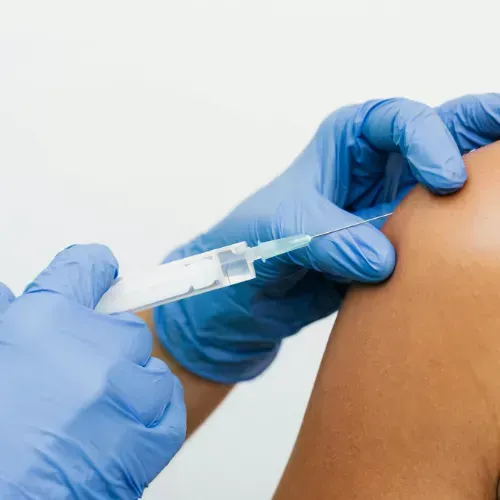
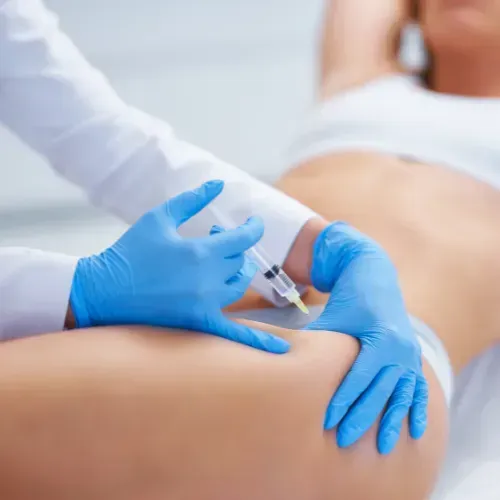
Most joint injections are designed to temporarily reduce pain. Cortisone suppresses inflammation for a short period of time. Standard PRP attempts to stimulate healing but often lacks the regenerative signaling strength required for meaningful tissue repair. These approaches may provide relief, but they do not address the underlying cellular breakdown that causes joints, tendons, ligaments, and discs to continue deteriorating.
Our Precision Regenerative Injection Program is fundamentally different because it is built around advanced biologic repair, not symptom management.
Instead of relying on a single injection type, we evaluate the exact condition of the damaged tissue and select from a range of regenerative tools—stem cells, exosomes, RPA, and targeted biologic injections—to create a customized protocol designed to stimulate real tissue recovery.
Reducing the inflammatory environment that prevents healing
Delivering powerful regenerative signaling directly to damaged structures
Supporting the body’s natural repair mechanisms at the cellular level
Restoring stability and function to joints and soft tissue without surgery
This is not a “shot for pain.”
This is a physician-directed regenerative strategy designed to repair the tissue causing the pain.
Medical Director: Prof. Dr. Bankole A. Johnson • Private & Confidential • Imaging Review Available
A physician-guided program designed to support mental clarity, focus, and long-term cognitive performance—using advanced testing and personalized protocols.
Brain fog and mental fatigue
Memory lapses and cognitive decline
Stress overload and nervous system dysregulation
Sleep disturbance affecting cognition
Focus, clarity, and executive function challenges
Emotional regulation and mental resilience
Recovery support after periods of high stress or burnout
The Biologic Tools We Use
Each regenerative injection plan is fully customized to the patient’s specific condition, imaging findings, and tissue needs. Depending on the severity and type of degeneration, we may use PRP, RPA, stem cells, exosomes—or a strategic combination of these biologics—to create the optimal healing environment inside the joint. This personalized approach allows us to target cartilage, tendons, ligaments, and joint structures with the exact regenerative support required for meaningful repair and improved function.
PRP (Platelet-Rich Plasma)
PRP uses a concentrated portion of the patient’s own platelets to deliver natural growth factors directly into injured tissue. This stimulates circulation, reduces inflammation, and accelerates healing in tendons, ligaments, cartilage, and joint structures that have been weakened by degeneration or overuse. PRP is often used as a foundational regenerative signal that enhances and supports the effects of other biologic therapies.
RPA (Regenerative Protein Array)
RPA delivers a concentrated array of growth factors, cytokines, and healing proteins directly into damaged tissue. This powerful biologic signal helps calm inflammation, improve blood flow, and activate the body’s own repair response in cartilage, tendons, ligaments, and joint structures that have lost the ability to heal on their own.
Stem Cells
Stem cell therapy introduces living regenerative cells into areas of degeneration where tissue breakdown, poor circulation, and chronic inflammation prevent recovery. These cells help orchestrate repair, support new tissue formation, and restore a healthier joint environment for long-term stability and function.
Exosomes
Exosomes are cellular messengers that carry powerful regenerative signals between cells. When delivered into injured joints and soft tissue, they reduce inflammation, enhance cellular communication, and stimulate repair in areas where healing has stalled due to chronic degeneration or overuse.
This program is designed to repair, not manage.
Medical Director: Prof. Dr. Bankole A. Johnson • Private & Confidential • Imaging Review Available
Areas We Treat
Our Regenerative Injections program targets cartilage loss, joint degeneration, and soft-tissue injury across the body’s most commonly affected joints. Using advanced biologic therapies, we focus on reducing inflammation, supporting tissue repair, restoring stability, and improving mobility—helping patients move better and avoid unnecessary surgery.
Knee
Cartilage loss, meniscus injury, and chronic inflammation in the knee often lead to pain with walking, swelling, and the feeling that the joint is “wearing out.” These conditions are commonly labeled as arthritis or “bone-on-bone,” but the real issue is tissue degeneration and loss of joint cushioning. Our regenerative approach focuses on restoring joint environment, reducing inflammation, and supporting cartilage and meniscal healing to improve stability, comfort, and mobility without rushing toward surgery.
Cartilage loss / “bone-on-bone”
Meniscus tears and degeneration
Knee arthritis & chronic swelling
Ligament strain and instability
Patellar tracking issues
Sports and overuse injuries
Shoulder
Rotator cuff injuries, tendon degeneration, and impingement create weakness, instability, and pain with lifting or reaching overhead. Over time, these tissues lose their ability to heal due to poor blood supply and chronic strain. Our treatments target the damaged tendons, inflamed joint space, and surrounding structures to promote healing, restore strength, and improve range of motion so patients can return to normal function without chronic pain.
Rotator cuff tears and injuries
Tendon degeneration (tendonitis)
Shoulder impingement syndrome
Labral tears and instability
Arthritis & joint inflammation
Weakness with lifting or overhead motion
Hip
Labral damage, cartilage wear, and hip arthritis often cause deep groin pain, stiffness, and reduced mobility that worsens with walking or sitting. These issues stem from breakdown of the joint’s protective cartilage and supporting structures. Our regenerative protocols focus on improving the joint environment, reducing inflammation, and supporting tissue repair to restore smoother movement and delay or prevent the need for joint replacement.
Labral tears and degeneration
Hip arthritis & cartilage wear
Groin pain and stiffness
Mobility loss with walking or sitting
Tendon and ligament strain
Sports and overuse injuries
Spine
Degenerative disc changes, facet joint arthritis, and ligament instability in the spine can lead to chronic back pain, stiffness, nerve irritation, and reduced mobility. These problems are frequently caused by disc dehydration, cartilage wear, and weakening of the structures that support the spine. Our regenerative treatments are designed to calm inflammation, support disc and joint health, and improve spinal stability to reduce pain and restore function.
Degenerative disc disease
Herniated or bulging discs
Facet joint arthritis
Sciatica and nerve irritation
Spinal instability & ligament laxity
Chronic low back or neck pain
Ankle
Cartilage damage, ligament strain, and chronic inflammation in the ankle often result from sports injuries, overuse, or unresolved sprains. When the joint loses its cushioning and stability, patients experience swelling, pain with walking, and repeated reinjury. Our approach focuses on strengthening the joint environment, supporting cartilage health, and restoring stability so patients can move confidently again.
Cartilage loss / “bone-on-bone”
Ligament tears and chronic sprains
Tendonitis and tendon degeneration
Ankle arthritis & swelling
Sports and overuse injuries
Instability and repeated reinjury
Wrist
Tendon degeneration, ligament instability, and impingement in the wrist can cause pain with gripping, lifting, or repetitive motion. These small but critical structures are prone to chronic inflammation and slow healing due to constant use. Our regenerative therapies target the damaged tendons and joint space to reduce pain, improve strength, and restore functional movement for everyday activities.
Tendon degeneration (tendonitis / tenosynovitis)
Ligament instability and sprains
Carpal tunnel–related inflammation
TFCC tears (triangular fibrocartilage complex)
Arthritis & cartilage wear
Pain with gripping, lifting, or rotation
A physician-guided program designed to support mental clarity, focus, and long-term cognitive performance—using advanced testing and personalized protocols.
Brain fog and mental fatigue
Memory lapses and cognitive decline
Stress overload and nervous system dysregulation
Sleep disturbance affecting cognition
Focus, clarity, and executive function challenges
Emotional regulation and mental resilience
Recovery support after periods of high stress or burnout
Regenerative Injections™ Are Designed For
This program is intended for patients whose joint pain and mobility loss are caused by structural degeneration or soft tissue injury confirmed by imaging.
Ideal Candidates
Persistent joint pain despite therapy, injections, or medications
MRI or X-ray showing cartilage loss, tendon injury, or degeneration
Patients told they are “bone-on-bone” or considering surgery
Active adults seeking to restore mobility and function
Individuals seeking a non-surgical, physician-guided pathway
Not Appropriate For This Program
Acute infections in or around the joint
Unstable medical conditions requiring hospital care
Traumatic injuries requiring immediate surgical repair
Patients without imaging or structural diagnosis
Individuals seeking quick, cosmetic, or temporary relief
How the Regenerative Injection™ Process Works
Every patient moves through a structured clinical pathway designed around imaging, diagnosis, precision treatment, and recovery.
Step 1
Record & Imaging Review
You submit your MRI, X-rays, and medical history for physician review to determine if structural joint degeneration is present and appropriate for this program.
Step 2
Physician Evaluation
A detailed evaluation is performed to assess joint function, severity of degeneration, and candidacy for regenerative treatment.
Step 3
Precision Treatment Plan
A personalized plan is created using image-guided biologic placement targeted to the exact damaged structures within the joint.
Step 4
Recovery & Follow-Up
A structured recovery and mobility plan is provided to support healing, restore function, and monitor progress over time.
How Regenerative Care Is Applied Within the Joint
Regenerative treatment is delivered with precision to the exact structures responsible for pain and degeneration.
Image-Guided Precision Placement
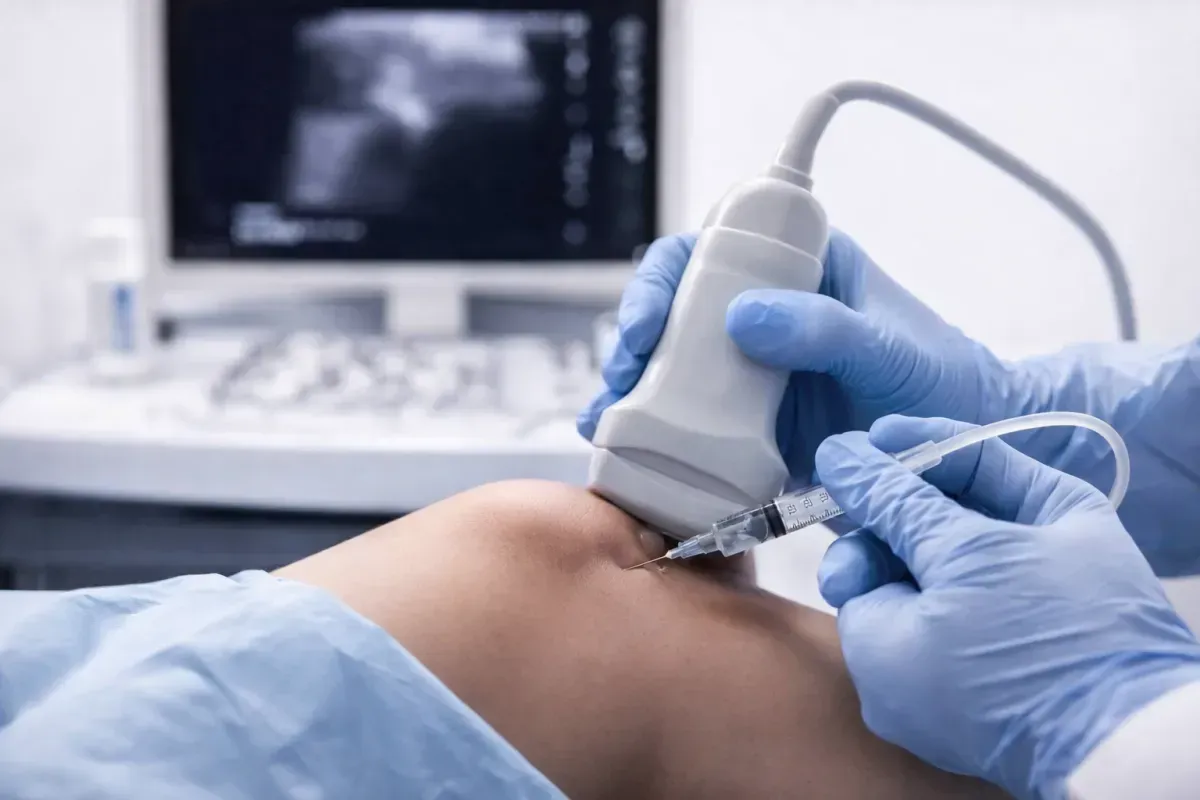
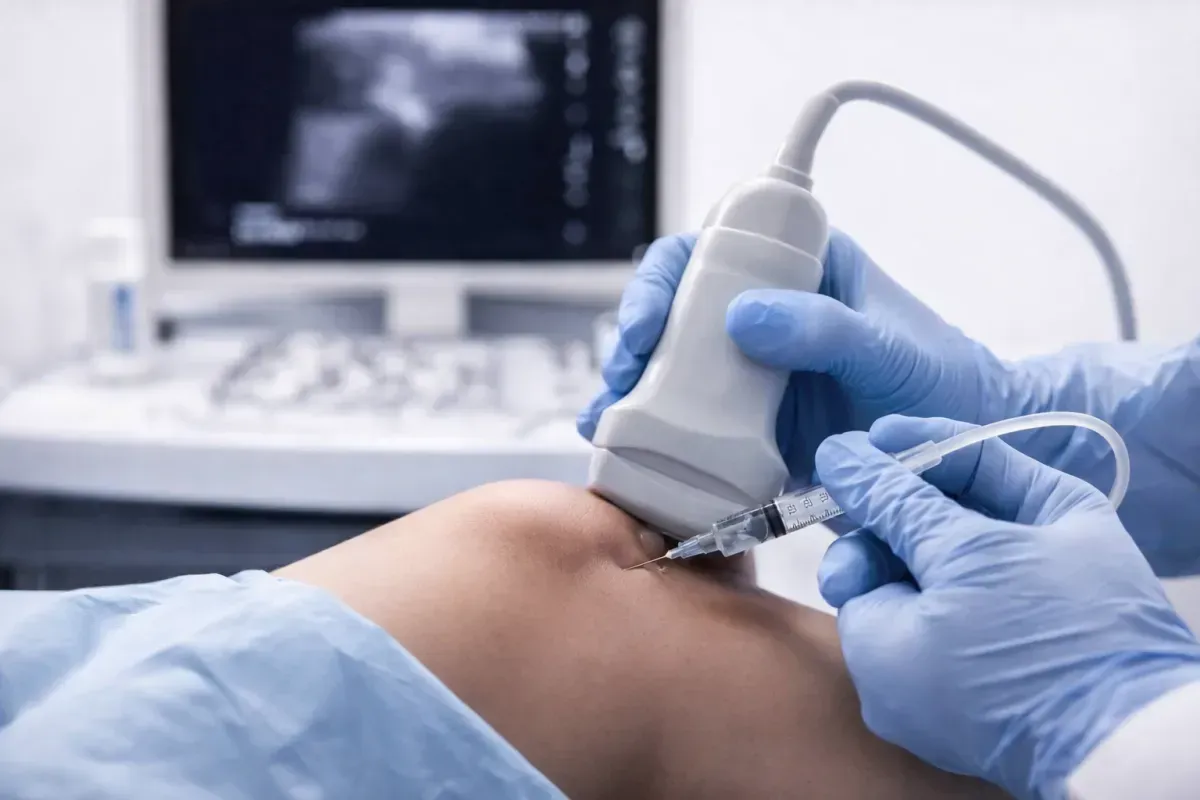
Biologic treatments are not placed blindly into the joint. Ultrasound or fluoroscopic guidance is used to deliver regenerative therapy directly into the damaged cartilage, tendon, or ligament structures responsible for pain and dysfunction.
This ensures accuracy, safety, and effectiveness.
Orthobiologic & Structural Support
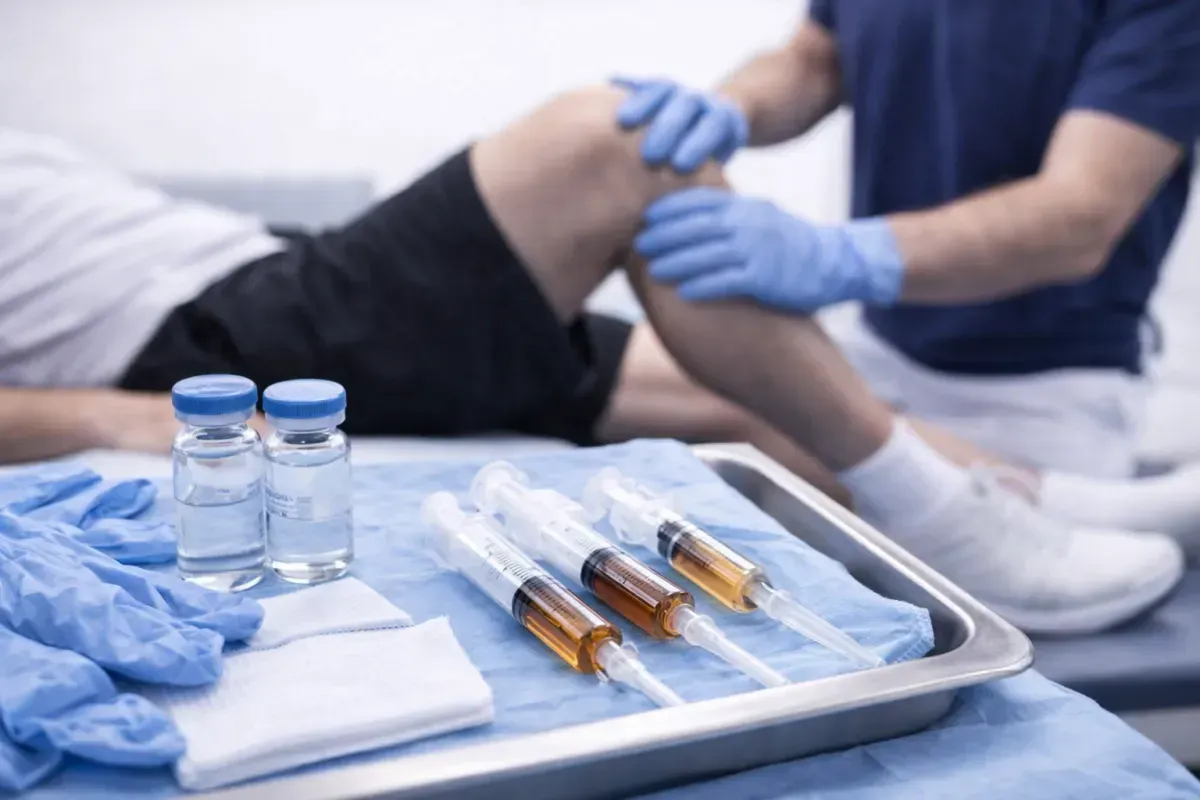
Physician-selected regenerative modalities are used to support cartilage, tendon, and ligament recovery while reducing the inflammatory environment within the joint.
This is combined with structured mobility and recovery guidance to restore function over time.
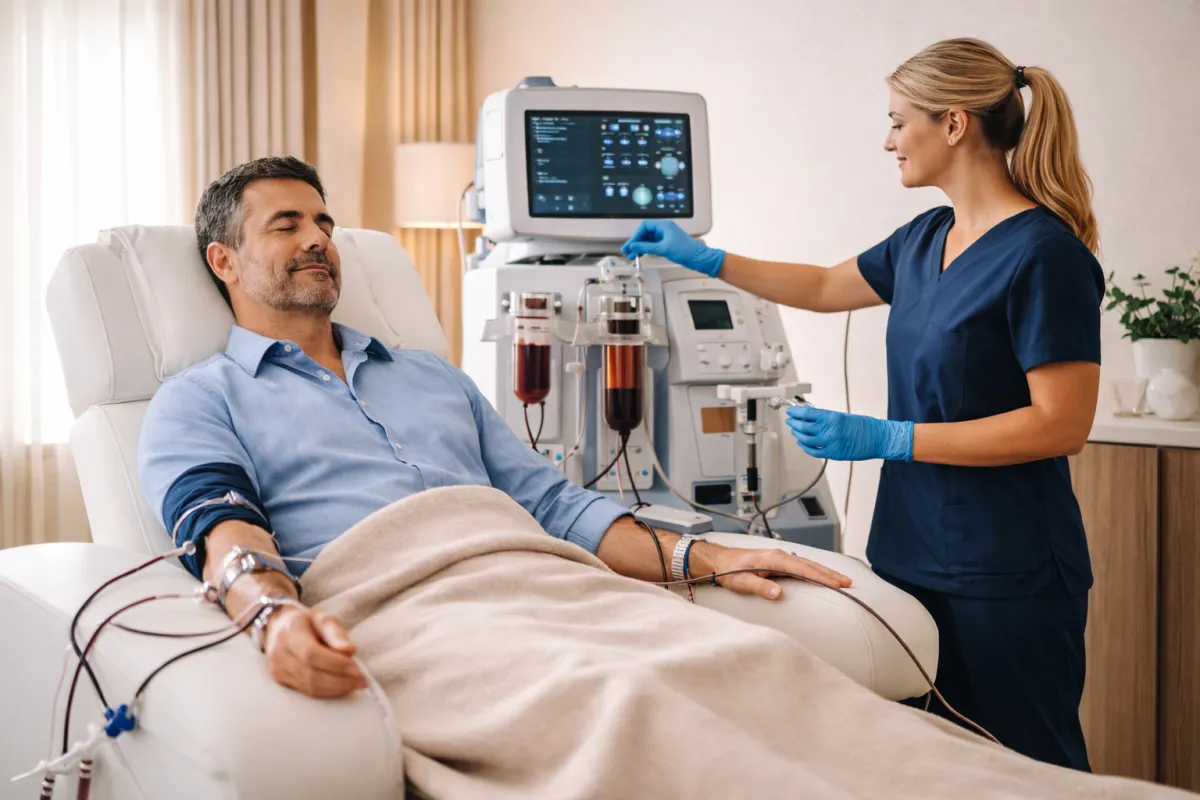
BLOOD DRAW
We begin with a quick and comfortable blood draw performed by a licensed medical professional. This provides the growth factors and plasma needed to create your personalized regenerative solution.
Transcranial Magnetic Stimulation (TMS)
TMS uses targeted magnetic pulses to activate areas of the brain responsible for memory, mood, focus, and cognition—helping restore healthy brain activity without medication.
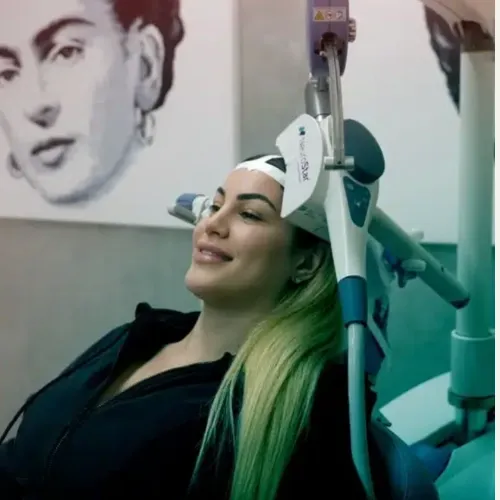
Transcranial Magnetic Stimulation (TMS)
TMS uses targeted magnetic pulses to activate areas of the brain responsible for memory, mood, focus, and cognition—helping restore healthy brain activity without medication.
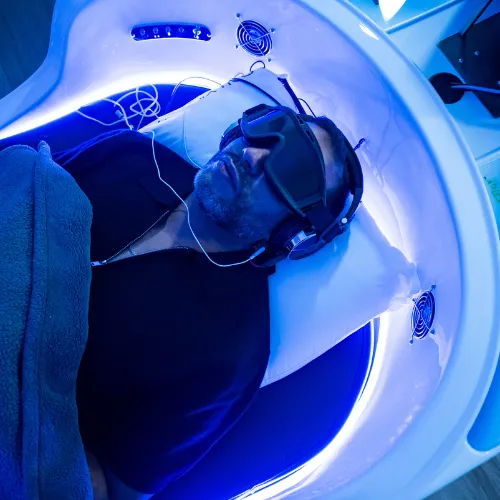
Theta Chamber Neurological Reset
The Theta Chamber supports oxygenation, circulation, and neurological relaxation states associated with recovery, clarity, and reduced neuro-inflammatory stress.
Theta Chamber Neurological Reset
The Theta Chamber supports oxygenation, circulation, and neurological relaxation states associated with recovery, clarity, and reduced neuro-inflammatory stress.
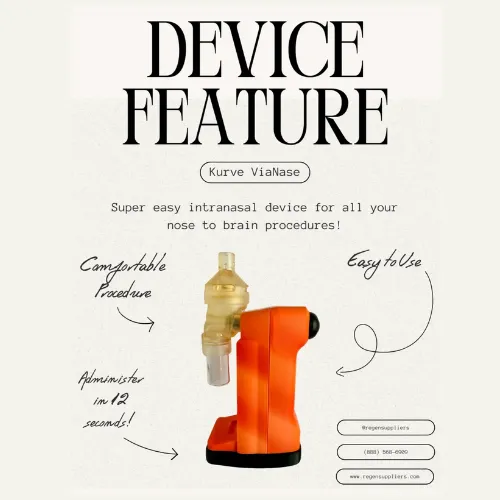
Kurve ViaNase® Precision Biologic Delivery
YKurve is a patented intranasal delivery system that allows regenerative biologics to travel through olfactory pathways directly into the central nervous system—bypassing the blood-brain barrier.
This non-invasive method is designed to improve how biologics reach brain tissue compared to traditional IV methods.
Kurve ViaNase® Precision Biologic Delivery
YKurve is a patented intranasal delivery system that allows regenerative biologics to travel through olfactory pathways directly into the central nervous system—bypassing the blood-brain barrier.
This non-invasive method is designed to improve how biologics reach brain tissue compared to traditional IV methods.
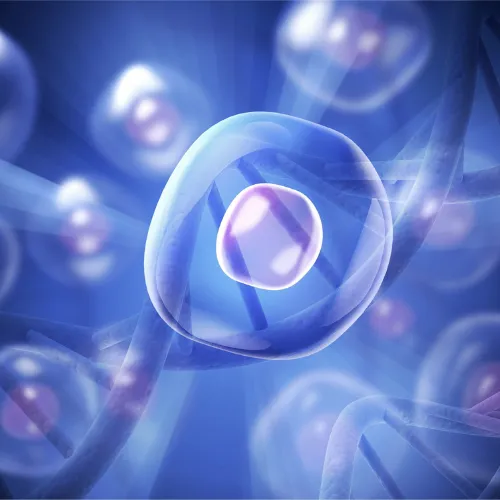
Regenerative Biologic Brain Support (RPA, Exosomes, Stem-Cell Factors
When appropriate, physician-selected regenerative biologics such as RPA, exosomes, and stem-cell derived factors are used to support neural repair, reduce neuro-inflammation, and promote long-term brain health at the cellular level.
Regenerative Biologic Brain Support (RPA, Exosomes, Stem-Cell Factors
When appropriate, physician-selected regenerative biologics such as RPA, exosomes, and stem-cell derived factors are used to support neural repair, reduce neuro-inflammation, and promote long-term brain health at the cellular level.
FAQ
Brain & Memory Optimization™ Program
What is the Brain & Memory Optimization™ Program?
This is a physician-guided neurological optimization program designed to improve memory, focus, mood, and cognitive performance using advanced brain technologies and regenerative biologics that support neural repair and circulation.
How is this different from taking medications for memory or mood?
This program does not rely on symptom-masking medications. Instead, it focuses on improving brain function at the physiological level through stimulation, oxygenation, detoxification, and cellular support.
Is this safe?
All therapies are -guided and selected based on your individual health profile, ensuring a safe and personalized approach to brain optimization.
Are the treatments invasive?
Most therapies in this program are non-invasive. When biologics are used, the delivery method is selected by the physician based on what is most appropriate and comfortable for the patient.
How long before I notice improvements?
Many patients report improvements in clarity and focus within the first few sessions, while deeper cognitive and neurological improvements occur progressively over the course of the program.
Is this program used for patients with cognitive decline or early dementia?
This program is often sought by individuals looking to support brain health when experiencing early cognitive changes. A physician evaluation determines appropriateness.
Regenerative Programs
Services
About Us