Advanced Neurodevelopment & Autism Intervention Program
Regulating the brain.
Unlocking the child.
A medically-led 12-week intensive program that integrates regenerative biologics, Hyperbaric Oxygen, the Theta Chamber, behavioral modification, and access to speech therapy.
Joint Pain • Spine Conditions • Neuropathy • Inflammation • Sports Injuries • Cellular Optimization• Autism • Neurodegeneration • Brain Injury • Addiction • Damage or degeneration to knee/back/spine
Advanced Neurodevelopment & Autism Intervention Program
Regulating the brain.
Unlocking the child.
A medically-led 12-week intensive program that integrates regenerative biologics, Hyperbaric Oxygen, the Theta Chamber, behavioral modification, and access to speech therapy.
Joint Pain • Spine Conditions • Neuropathy • Inflammation • Sports Injuries • Cellular Optimization• Autism • Neurodegeneration • Brain Injury • Addiction • Damage or degeneration to knee/back/spine
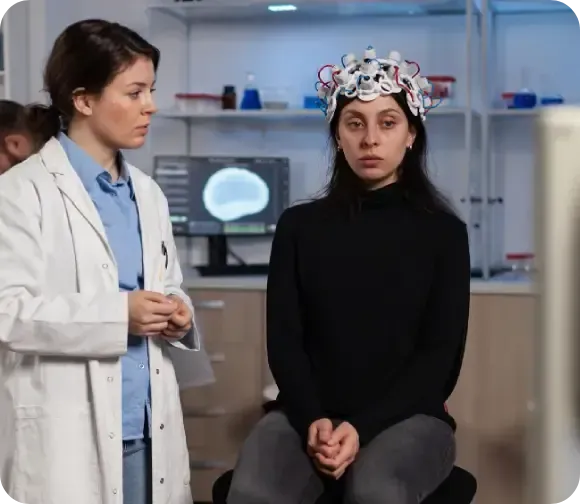
A Multidisciplinary Team Under One Roof
Most families receive care in pieces: a school plan here, a therapist there, a pediatric visit weeks later, and no one responsible for the whole system.
Miami Stem Cell Clinic is different. We run this program the way high-performance medicine should be run—with one physician-led plan, one team, one calendar, and one measurable outcomes dashboard.
Neurodevelopmental assessment team for baseline profiling and serial measurement
Speech-language therapy focused on fun ctional communication and social pragmatics
Behavioral modification and psychotherapy led by Jordyn Dooley (Therapist), including parent coaching and skills generalization
Occupational/sensory strategies coordinated with behavioral and educational therapies.
The Concierge Advantage
Your child's progress depends on consistency. Our care coordinator builds a weekly schedule that works, reduces friction, and ensures follow-throughs. For travelling families, we design a condensed intensive calendar and provide a structured handoff plan for continuation at home.
A Multidisciplinary Team Under One Roof
Most families receive care in pieces: a school plan here, a therapist there, a pediatric visit weeks later, and no one responsible for the whole system.
Miami Stem Cell Clinic is different. We run this program the way high-performance medicine should be run—with one physician-led plan, one team, one calendar, and one measurable outcomes dashboard.
Neurodevelopmental assessment team for baseline profiling and serial measurement
Speech-language therapy focused on fun ctional communication and social pragmatics
Behavioral modification and psychotherapy led by Jordyn Dooley (Therapist), including parent coaching and skills generalization
Occupational/sensory strategies coordinated with behavioral and educational therapies.
The Concierge Advantage
Your child's progress depends on consistency. Our care coordinator builds a weekly schedule that works, reduces friction, and ensures follow-throughs. For travelling families, we design a condensed intensive calendar and provide a structured handoff plan for continuation at home.
Precision & Autism For Neurodevelopment
Welcome
If you are raising a child on the autism spectrum, you already know the truth: the child is not "broken," but the family is often exhausted—by fragmented care, inconsistent strategies, sleep disruption, anxiety loops, and the daily burden of "managing everything."
Miami Stem Cell was built for families who want a different level of medicine: physician-led, coordinated, measurable, and fast. Our Precision Autism & Neurodevelopment Program integrates the most proven therapeutic pillars (speech therapy, behavioral modification, and psychotherapy) with advanced physiologic and regenerative medicine designed to optimize the internal environment that supports learning.
In this program, Hyperbaric Oxygen Therapy (HBOT) and Stem Cell Therapy are not "optional extras." They are core components—deployed responsibly, monitored carefully, and synchronized with high-intensity skills training.
We do not promise a cure. We promise disciplined medicine: clear targets, a defined schedule, serial assessment, and progress you can see.
Our Mission
Reduce barriers to learning. Strengthen regulations. Build communication. Stabilize behaviour. Restore family calm.
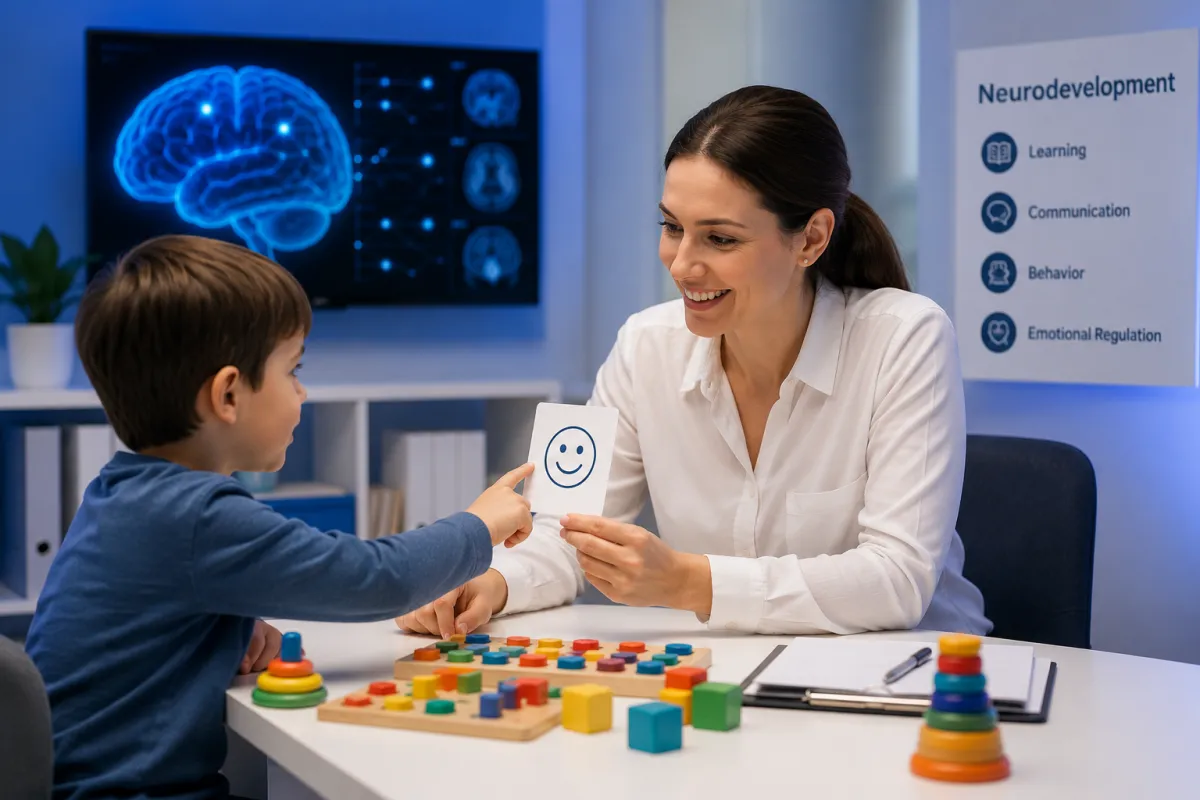
A physician-guided program designed to support mental clarity, focus, and long-term cognitive performance—using advanced testing and personalized protocols.
Brain fog and mental fatigue
Memory lapses and cognitive decline
Stress overload and nervous system dysregulation
Sleep disturbance affecting cognition
Focus, clarity, and executive function challenges
Emotional regulation and mental resilience
Recovery support after periods of high stress or burnout
Precision & Autism For Neurodevelopment
Welcome
If you are raising a child on the autism spectrum, you already know the truth: the child is not "broken," but the family is often exhausted—by fragmented care, inconsistent strategies, sleep disruption, anxiety loops, and the daily burden of "managing everything."
Miami Stem Cell was built for families who want a different level of medicine: physician-led, coordinated, measurable, and fast. Our Precision Autism & Neurodevelopment Program integrates the most proven therapeutic pillars (speech therapy, behavioral modification, and psychotherapy) with advanced physiologic and regenerative medicine designed to optimize the internal environment that supports learning.
In this program, Hyperbaric Oxygen Therapy (HBOT) and Stem Cell Therapy are not "optional extras." They are core components—deployed responsibly, monitored carefully, and synchronized with high-intensity skills training.
We do not promise a cure. We promise disciplined medicine: clear targets, a defined schedule, serial assessment, and progress you can see.
Our Mission
Reduce barriers to learning. Strengthen regulations. Build communication. Stabilize behaviour. Restore family calm.
A physician-guided program designed to support mental clarity, focus, and long-term cognitive performance—using advanced testing and personalized protocols.
Brain fog and mental fatigue
Memory lapses and cognitive decline
Stress overload and nervous system dysregulation
Sleep disturbance affecting cognition
Focus, clarity, and executive function challenges
Emotional regulation and mental resilience
Recovery support after periods of high stress or burnout
The Miami Stem Cell Difference: Why Families Choose Us?
Why Biology Matters: Neuroinflammation, Immune Balance, and Learning Readiness
Autism is a neurodevelopmental condition with diverse underlying biology. Many children have additional physiologic stressors sleep disruption, gut discomfort, anxiety physiology, immune imbalance, oxidative stress, or metabolic strain that can amplify symptoms and reduce learning readiness.
A growing scientific literature discusses immune dysregulation and inflammatory signaling differences in ASD subgroups (e.g., Robinson-Agramonte et al., 2022; Than et al., 2023; Tu et al., 2025). This does not mean one single cause rather, it supports why a purely behavioral approach may be insufficient for some children.
The Miami Stem Cell Difference: Why Families Choose Us?
Why Biology Matters: Neuroinflammation, Immune Balance, and Learning Readiness
Autism is a neurodevelopmental condition with diverse underlying biology. Many children have additional physiologic stressors—sleep disruption, gut discomfort, anxiety physiology, immune imbalance, oxidative stress, or metabolic strain—that can amplify symptoms and reduce learning readiness.
A growing scientific literature discusses immune dysregulation and inflammatory signaling differences in ASD subgroups (e.g., Robinson-Agramonte et al., 2022; Than et al., 2023; Tu et al., 2025). This does not mean one single cause—rather, it supports why a purely behavioral approach may be insufficient for some children.
The Program at a Glance:
6 Pillars, One Integrated Plan
Brain optimization therapies are delivered using advanced neurological technologies and regenerative biologics designed to improve brain activity, circulation, detoxification, and neural repair at the cellular level.
Pillars
CORE COMPONENT
PURPOSE IN THE PROGRAM
Pillar 1
Assessment
Baseline + serial re-testing to guide and document progress
Pillar 2
RPA
Pragmatics, functional language, AAC when indicated
Pillar 3
HBOT
FB, behavior plan, parent coaching, anxiety, rigidity support
Pillar 4
The Theta chamber
Regulation, sleep readiness, sensory tolerance
Pillar 5
Behavioral modification
Oxygenation and neuroinflammation support within a measured protocol
Pillar 6
Access to speech therapy
Immunomodulation and regenerative signaling synchronized with therapy intensity
Our Clinical Interpretation
Skills training works best when the nervous system is regulated and the body is comfortable.
Physiology can be a barrier - or a force multiplier.
We treat biology and behavior together, on the same calendar.
How Our Core Modalities Map Onto Biology + Function
Our program is engineered to produce compounding gains: stabilize physiology, reduce distress, then intensify skill-building—while measuring outcomes.
CHALLENGE DOMAIN
PROGRAM RESPONSE
hOW WE mEASURE FUNCTION
Hyperarousal / poor sleep
Theta Chamber = behavioral sleep plan + medical optimization
Sleep logs, morning function, meltdown frequency
Communication frustration
Speech therapy + AAC (if indicated) + behavior plan
Functional requests, pragmatics goals, parent/teacher reports
Rigidity / anxiety loops
Psychotherapy tools + exposure planning + predictable routines
Transition success rates, anxiety scales when relevant
Inflammation / immune stress (subgroup dependent)
HBOT + RPA + stem cell therapy (core biological pillar) + monitoring
Function scales (ABC/SRS-2), energy, tolerance measures.
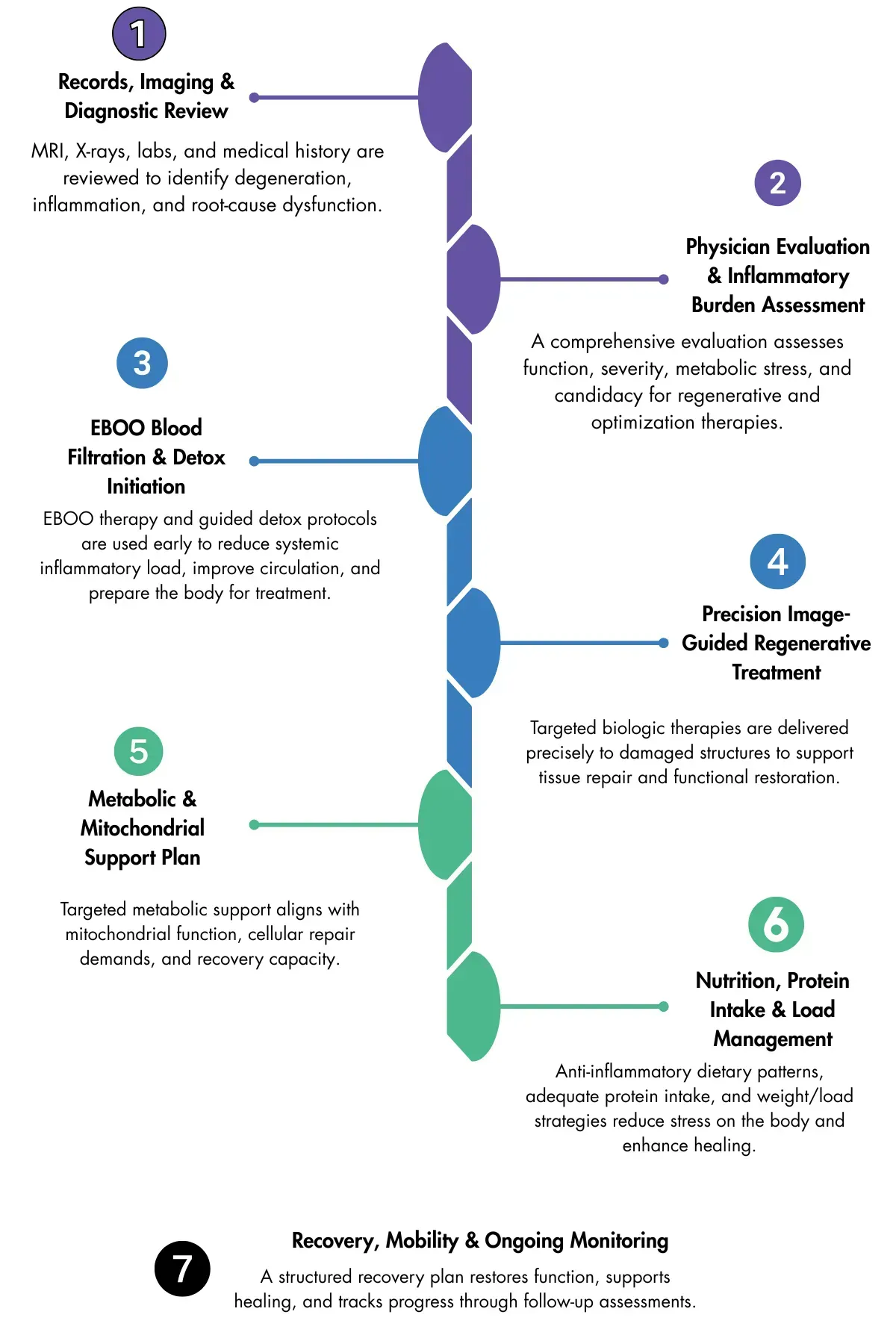
Step 1
Record & Cognitive Review
You submit your MRI, X-rays, and medical history for physician review to determine if structural spine or disc degeneration is present and appropriate for this program.
Step 2
Physician Brain Evaluation
A detailed evaluation is performed to assess joint function, severity of degeneration, and candidacy for regenerative treatment.
Step 3
Precision Brain Optimization Plan
A personalized plan is created using therapies such as Theta Chamber sessions, advanced detox support (EBO), circulation enhancement, and targeted brain support protocols to improve clarity, memory, and performance.
Step 4
Recovery & Cognitive Follow-Up
Structured follow-up and repeat cognitive testing monitor improvements in memory, focus, mood, and overall brain performance over time while supporting long-term neurological health.
Pillar 1: Assessment (Baseline + Serial)
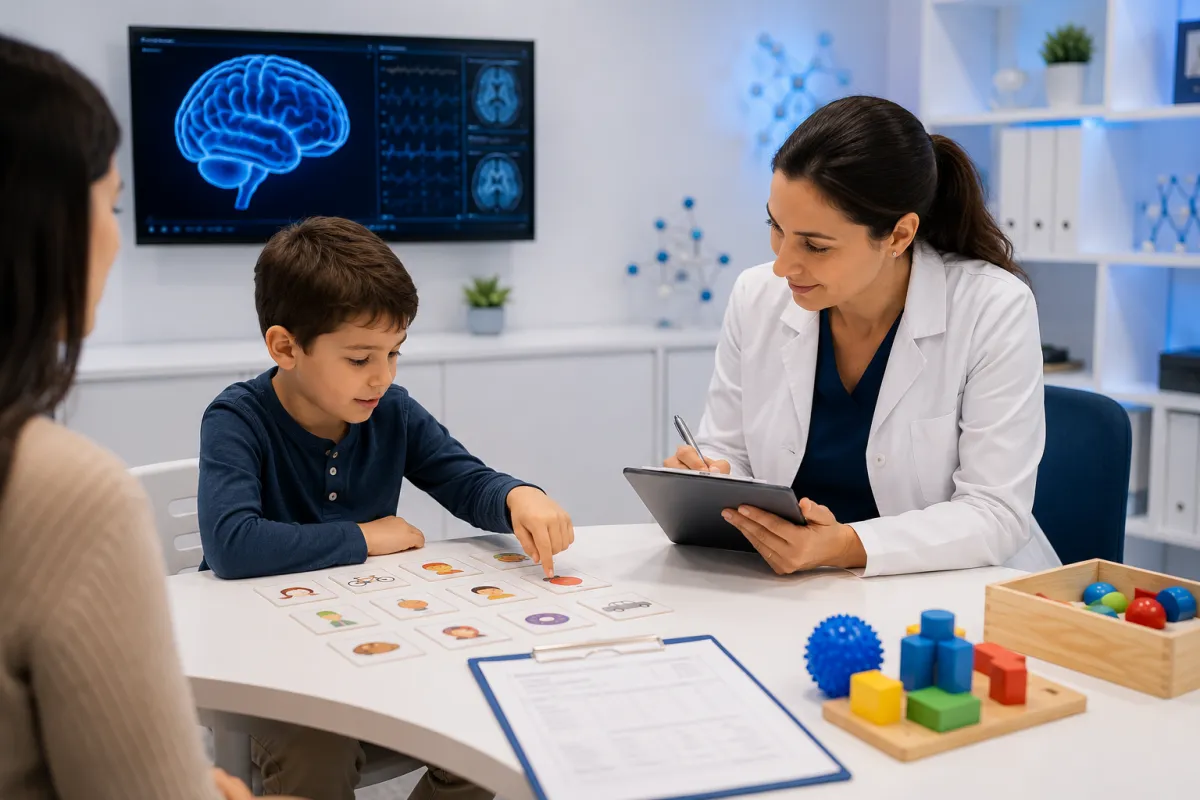
Baseline (Week 1): The Full Picture
Our assessment is designed to answer one question: what is holding your child back right now-and what is the highest-leverage plan for the next 12 weeks?
Developmental and medical history (including sleep, GI, attention, anxiety, sensory profile)
Neurodevelopmental profiling: strengths, bottlenecks, learning readiness
Behavioral and psychological screening; family stress map
Speech-language evaluation (expressive, receptive, pragmatics; AAC screening)
OT/sensory evaluation (motor planning, sensory modulation, daily living skills)
Medical review and targeted labs when clinically indicated
Serial Re-testing: Progress You Can Prove
We repeat focused measures at Weeks 6 and 12. This is how we avoid guesswork, justify intensity changes, and produce a handoff plan your child's home team can follow.
TIMEPOINT
WHAT WE MEASURE
DELIVERABLES
Week 1
Baseline scales + functional targets map
Written plan, weekly schedule, home toolkit
Week 6
Focused retesting + goal review
Midpoint report + plan refinement
Week 12
End-of-intensive re-testing
Outcomes report + maintenance and school handoff plan
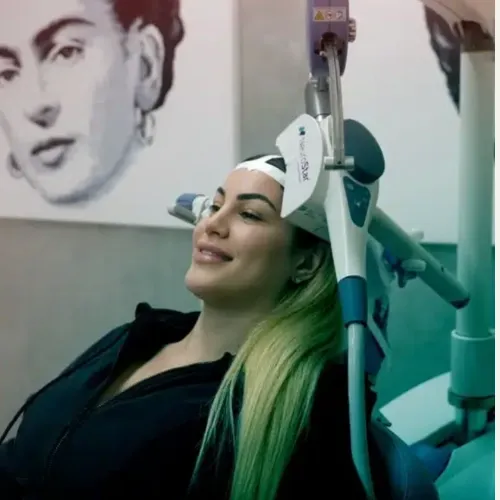
Transcranial Magnetic Stimulation (TMS)
TMS uses targeted magnetic pulses to activate areas of the brain responsible for memory, mood, focus, and cognition—helping restore healthy brain activity without medication.
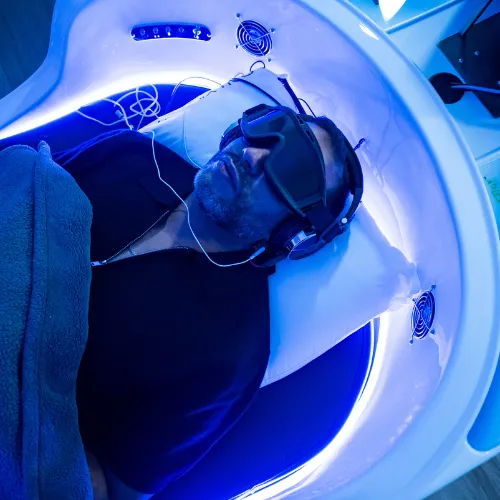
Theta Chamber Neurological Reset
The Theta Chamber supports oxygenation, circulation, and neurological relaxation states associated with recovery, clarity, and reduced neuro-inflammatory stress.
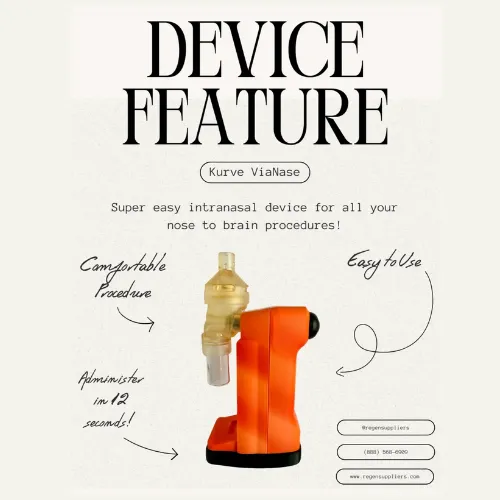
Kurve ViaNase® Precision Biologic Delivery
YKurve is a patented intranasal delivery system that allows regenerative biologics to travel through olfactory pathways directly into the central nervous system—bypassing the blood-brain barrier.
This non-invasive method is designed to improve how biologics reach brain tissue compared to traditional IV methods.
Regenerative Biologic Brain Support (RPA, Exosomes, Stem-Cell Factors
When appropriate, physician-selected regenerative biologics such as RPA, exosomes, and stem-cell derived factors are used to support neural repair, reduce neuro-inflammation, and promote long-term brain health at the cellular level.
Pillar 1: Assessment (Baseline + Serial)
Baseline (Week 1): The Full Picture
Our assessment is designed to answer one question: what is holding your child back right now-and what is the highest-leverage plan for the next 12 weeks?
Developmental and medical history (including sleep, GI, attention, anxiety, sensory profile)
Neurodevelopmental profiling: strengths, bottlenecks, learning readiness
Behavioral and psychological screening; family stress map
Speech-language evaluation (expressive, receptive, pragmatics; AAC screening)
OT/sensory evaluation (motor planning, sensory modulation, daily living skills)
Medical review and targeted labs when clinically indicated
Serial Re-testing: Progress You Can Prove
We repeat focused measures at Weeks 6 and 12. This is how we avoid guesswork, justify intensity changes, and produce a handoff plan your child's home team can follow.
TIMEPOINT
WHAT WE MEASURE
DELIVERABLES
Week 1
Baseline scales + functional targets map
Written plan, weekly schedule, home toolkit
Week 6
Focused retesting + goal review
Midpoint report + plan refinement
Week 12
End-of-intensive re-testing
Outcomes report + maintenance and school handoff plan
Transcranial Magnetic Stimulation (TMS)
TMS uses targeted magnetic pulses to activate areas of the brain responsible for memory, mood, focus, and cognition—helping restore healthy brain activity without medication.
Theta Chamber Neurological Reset
The Theta Chamber supports oxygenation, circulation, and neurological relaxation states associated with recovery, clarity, and reduced neuro-inflammatory stress.
Kurve ViaNase® Precision Biologic Delivery
YKurve is a patented intranasal delivery system that allows regenerative biologics to travel through olfactory pathways directly into the central nervous system—bypassing the blood-brain barrier.
This non-invasive method is designed to improve how biologics reach brain tissue compared to traditional IV methods.
Regenerative Biologic Brain Support (RPA, Exosomes, Stem-Cell Factors
When appropriate, physician-selected regenerative biologics such as RPA, exosomes, and stem-cell derived factors are used to support neural repair, reduce neuro-inflammation, and promote long-term brain health at the cellular level.
Pillar 2: RPA
Pragmatics, functional language, AAC when indicated
What We Target
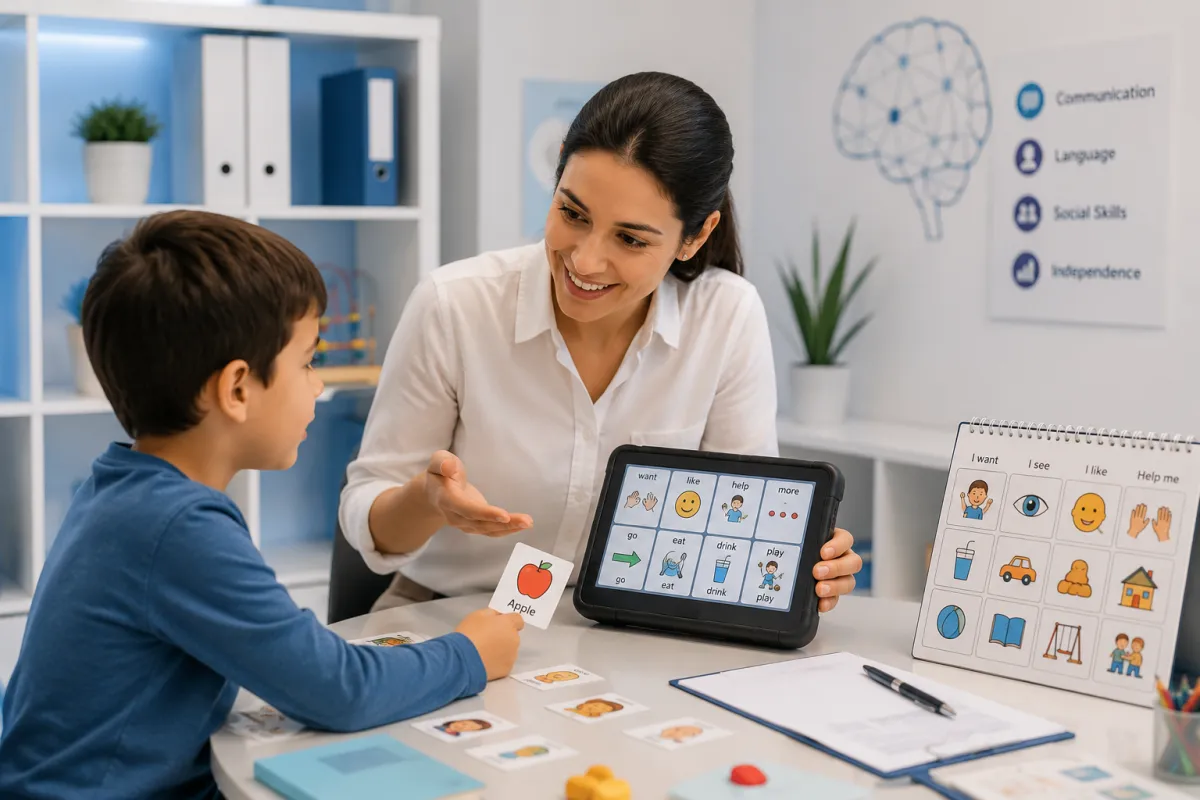
Communication is a clinical priority. When a child can express needs and understand others, behavior improves and learning accelerates.
Functional language: requesting, refusing, describing, narrating
Pragmatics: turn-taking, perspective-taking, repair strategies, conversational flexibility
Receptive processing: following directions, comprehension under stress
AAC integration when indicated to reduce frustration and increase independence
Parent carryover: brief daily drills that create durable gains
Evidence Snapshot
Your child's progress depends on consistency. Our care coordinator builds a weekly schedule that works, reduces friction, and ensures follow-throughs. For travelling families, we design a condensed intensive calendar and provide a structured handoff plan for continuation at home.
How It Fits Into The Intensive
Speech therapy is coordinated with behavioral goals and scheduled at high frequency during Weeks 3–10. We emphasize generalization: a skill is not “learned” until it appears at home and in daily routines.
Pillar 2: RPA
Pragmatics, functional language, AAC when indicated
What We Target
Communication is a clinical priority. When a child can express needs and understand others, behavior improves and learning accelerates.
Functional language: requesting, refusing, describing, narrating
Pragmatics: turn-taking, perspective-taking, repair strategies, conversational flexibility
Receptive processing: following directions, comprehension under stress
AAC integration when indicated to reduce frustration and increase independence
Parent carryover: brief daily drills that create durable gains
Evidence Snapshot
Your child's progress depends on consistency. Our care coordinator builds a weekly schedule that works, reduces friction, and ensures follow-throughs. For travelling families, we design a condensed intensive calendar and provide a structured handoff plan for continuation at home.
How It Fits Into The Intensive
Speech therapy is coordinated with behavioral goals and scheduled at high frequency during Weeks 3–10. We emphasize generalization: a skill is not “learned” until it appears at home and in daily routines.
Pillar 3: Behavioral Modification & Psychotherapy
Pragmatics, functional language, AAC when indicated
What We Target The Miami Stem Cell Behavioral Modification Model
Lasting behavioral change requires structure, consistency, and feedback—not advice.
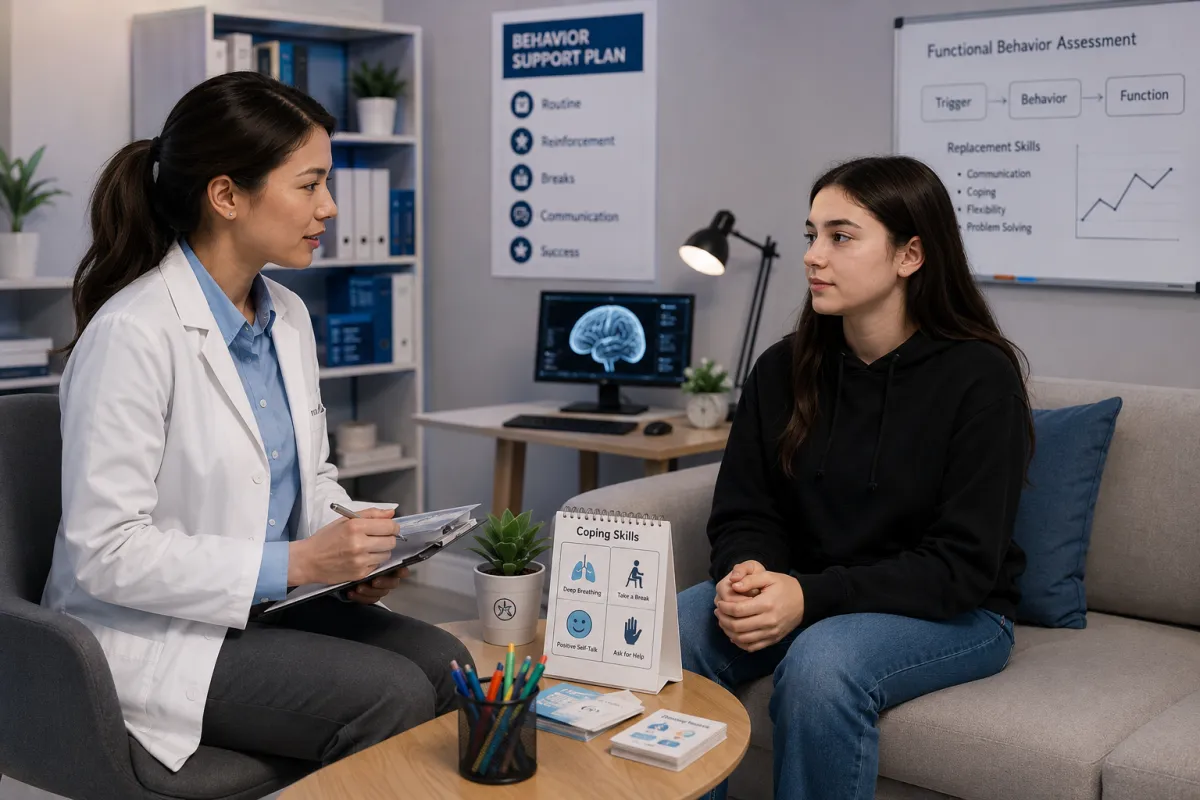
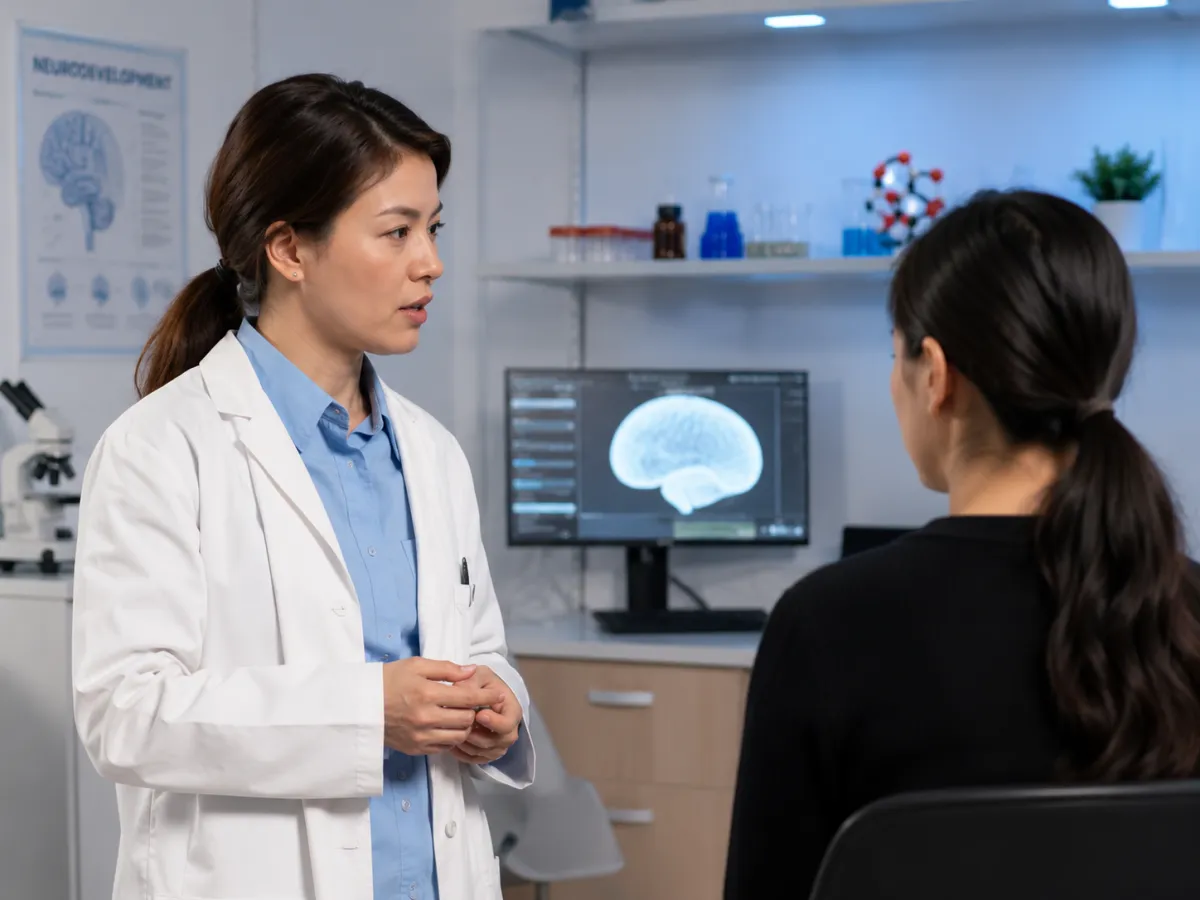
A licensed psychologist guides the behavioral program using functional behavior strategies, parent coaching, and therapeutic tools that reduce distress and build coping capacity.
Functional Behavior Assessment (FBA): define triggers, the function of behaviors, and replacement skills
Behavior Support Plan: clear routines, reinforcement strategy, and escalation prevention
Parent coaching: scripts, practice, and feedback so progress multiplies at home
Psychotherapy tools (developmentally appropriate): anxiety reduction, flexibility training, emotional labeling, coping plans
Generalization engineering: skills must show up outside the clinic—home, school, community
Data tracking: we measure behaviors,
Evidence Snapshot
Structured behavioral interventions can improve outcomes for some children—response varies.
Cochrane’s review of Early Intensive Behavioral Intervention (EIBI) concludes evidence is limited but suggests potential benefit in some domains for some children (Reichow et al., 2018). Our program uses these principles and integrates medical optimization to reduce barriers to learning.
WHAT FAMALIES HAVE NOTICED
Fewer meltdowns and faster recovery when escalation occurs
Improved tolerance of transitions and demands
A calmer home environment because caregivers have a consistent system
Pillar 3: Behavioral Modification & Psychotherapy
Pragmatics, functional language, AAC when indicated
What We Target The Miami Stem Cell Behavioral Modification Model
Lasting behavioral change requires structure, consistency, and feedback—not advice.
A licensed psychologist guides the behavioral program using functional behavior strategies, parent coaching, and therapeutic tools that reduce distress and build coping capacity.
Functional Behavior Assessment (FBA): define triggers, the function of behaviors, and replacement skills
Behavior Support Plan: clear routines, reinforcement strategy, and escalation prevention
Parent coaching: scripts, practice, and feedback so progress multiplies at home
Psychotherapy tools (developmentally appropriate): anxiety reduction, flexibility training, emotional labeling, coping plans
Generalization engineering: skills must show up outside the clinic—home, school, community
Data tracking: we measure behaviors,
Evidence Snapshot
Structured behavioral interventions can improve outcomes for some children response varies.
Cochrane’s review of Early Intensive Behavioral Intervention (EIBI) concludes evidence is limited but suggests potential benefit in some domains for some children (Reichow et al., 2018). Our program uses these principles and integrates medical optimization to reduce barriers to learning.
WHAT FAMALIES HAVE NOTICED
Fewer meltdowns and faster recovery when escalation occurs
Improved tolerance of transitions and demands
A calmer home environment because caregivers have a consistent system
Pillar 4: Theta Chamber Neurostate Training
Many children on the spectrum live in chronic physiologic "high alert." In that state, learning and social engagement are hard.
The Theta Chamber is our calm-training environment. Sessions are predictable, guided, and paired with regulation skills and parent cues so benefits transfer to home.
Targets
Autonomic downshifting (reduced hyperarousal)
Sleep readiness and bedtime stability
Sensory tolerance and reduced overwhelm
Improved attention window for therapy and learning
How It Is Delivered
2–4 sessions per week during the intensive phase
Child-friendly comfort plan and gradual exposure if needed
Weekly integration with behavioral goals (e.g., transitions, tolerance routines)
Sleep diary tracking and weekly plan adjustments
Pillar 5: Hyperbaric Oxygen Therapy (HBOT) Deep Dive
Why we include HBOT in autism care
We do not treat autism as one mechanism. We treat the child’s functional barriers. HBOT is included because many ASD presentations include physiologic stressors...
HBOT is a core pillar of the Miami Stem Cell program. It is deployed within a structured protocol, monitored medically, and synchronized with intensive therapy.
HBOT involves breathing oxygen at increased atmospheric pressure, which increases dissolved oxygen in plasma and enhances tissue oxygen availability. In neurological contexts, HBOT has been studied as a neuromodulatory and recovery-support intervention, with proposed effects on inflammation signaling, mitochondrial function, and neuroplasticity (Bin-Alamer et al., 2024; Vlodavsky et al., 2006).
What the Clinical Studies Show
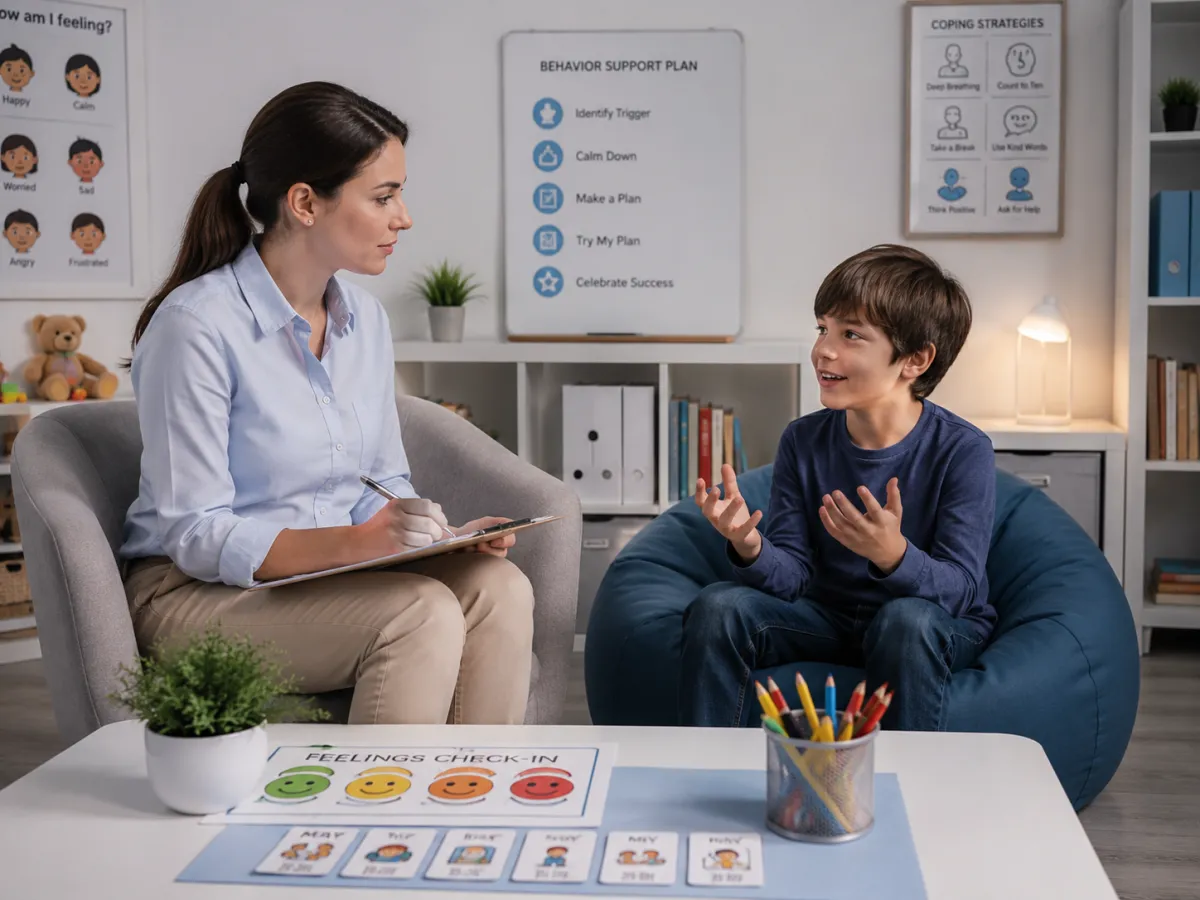
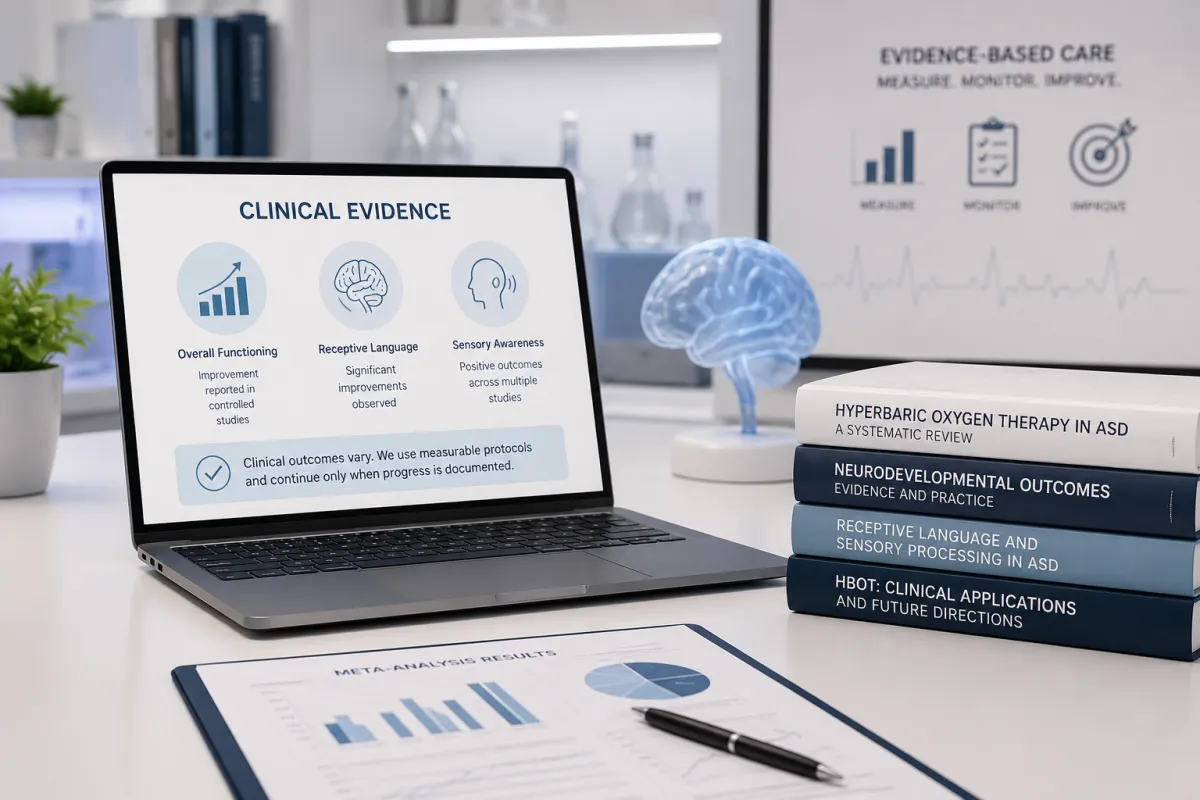
The HBOT-ASD literature has been controversial. Some controlled trials report improvements in overall functioning and specific domains such as receptive language and sensory awareness (Rossignol et al., 2009). Other randomized trials have reported more limited effects (Granpeesheh et al., 2010). A 2025 systematic review and meta-analysis found statistically significant improvements across several outcomes while noting heterogeneity and variable study quality (Tu et al., 2025). Cochrane’s review has been more cautious regarding evidence strength (Xiong et al., 2016).
Our position is clinical and practical: we integrate HBOT within a measured program and continue only when the child’s function is trending positively with acceptable tolerance.
Typical Miami Stem Cell HBOT structure
20–40 sessions across 6–10 weeks, tailored to tolerance and clinical profile
Pre-screening: ears/sinuses, pulmonary risk history, seizure history, anxiety/claustrophobia risk
Comfort plan: gradual exposure, behavioral support, and child-centered scheduling
Session-by-session monitoring for barotrauma and adverse effects; clear stop rules
What families may notice when HBOT is helping
Improved sleep onset or fewer awakenings
Better morning functioning and tolerance of demands
Lower baseline irritability and faster recovery after frustration
Improved attention window during speech and behavioral sessions
Pillar 5: Hyperbaric Oxygen Therapy (HBOT) Deep Dive
Why we include HBOT in autism care
We do not treat autism as one mechanism. We treat the child’s functional barriers. HBOT is included because many ASD presentations include physiologic stressors...
HBOT is a core pillar of the Miami Stem Cell program. It is deployed within a structured protocol, monitored medically, and synchronized with intensive therapy.
HBOT involves breathing oxygen at increased atmospheric pressure, which increases dissolved oxygen in plasma and enhances tissue oxygen availability. In neurological contexts, HBOT has been studied as a neuromodulatory and recovery-support intervention, with proposed effects on inflammation signaling, mitochondrial function, and neuroplasticity (Bin-Alamer et al., 2024; Vlodavsky et al., 2006).
What the Clinical Studies Show
The HBOT-ASD literature has been controversial. Some controlled trials report improvements in overall functioning and specific domains such as receptive language and sensory awareness (Rossignol et al., 2009). Other randomized trials have reported more limited effects (Granpeesheh et al., 2010). A 2025 systematic review and meta-analysis found statistically significant improvements across several outcomes while noting heterogeneity and variable study quality (Tu et al., 2025). Cochrane’s review has been more cautious regarding evidence strength (Xiong et al., 2016).
Our position is clinical and practical: we integrate HBOT within a measured program and continue only when the child’s function is trending positively with acceptable tolerance.
Typical Miami Stem Cell HBOT structure
20–40 sessions across 6–10 weeks, tailored to tolerance and clinical profile
Pre-screening: ears/sinuses, pulmonary risk history, seizure history, anxiety/claustrophobia risk
Comfort plan: gradual exposure, behavioral support, and child-centered scheduling
Session-by-session monitoring for barotrauma and adverse effects; clear stop rules
What families may notice when HBOT is helping
Improved sleep onset or fewer awakenings
Better morning functioning and tolerance of demands
Lower baseline irritability and faster recovery after frustration
Improved attention window during speech and behavioral sessions
Pillar 6: Regenerative Protein Arrays (RPA) + Stem Cell Therapy Deep Dive
Regenerative medicine is a core pillar
Regenerative medicine is a core pillar at Miami Stem Cell. We include it because a growing research literature describes immune and inflammatory signatures in ASD subgroups and because regenerative approaches may modulate signaling pathways relevant to neurodevelopmental function (Robinson-Agramonte et al., 2022; Than et al., 2023; Nabetani et al., 2023).
In our program, regenerative medicine is not used in isolation. It is synchronized with intensive speech and behavioral work—because biology creates readiness, but skill-building creates function.
RPA: precision signaling support
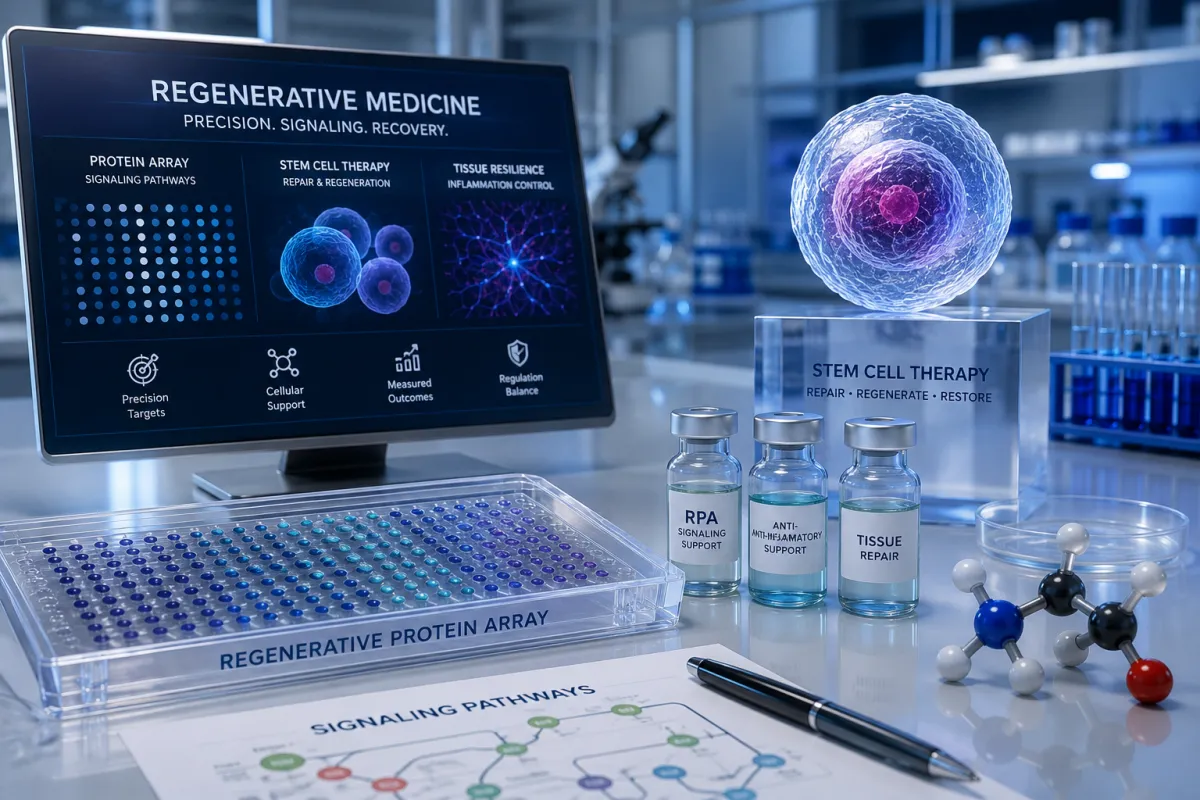
Regenerative Protein Arrays (RPA) are designed to support physiologic signaling pathways involved in recovery, inflammation modulation, and tissue resilience. In autism care, our use is goal-driven: reduce internal stress load and support regulation so therapy can land.
Targets: resilience signaling, inflammation modulation....
Used in parallel with behavior and speech targets (sleep, regulation, attention window)
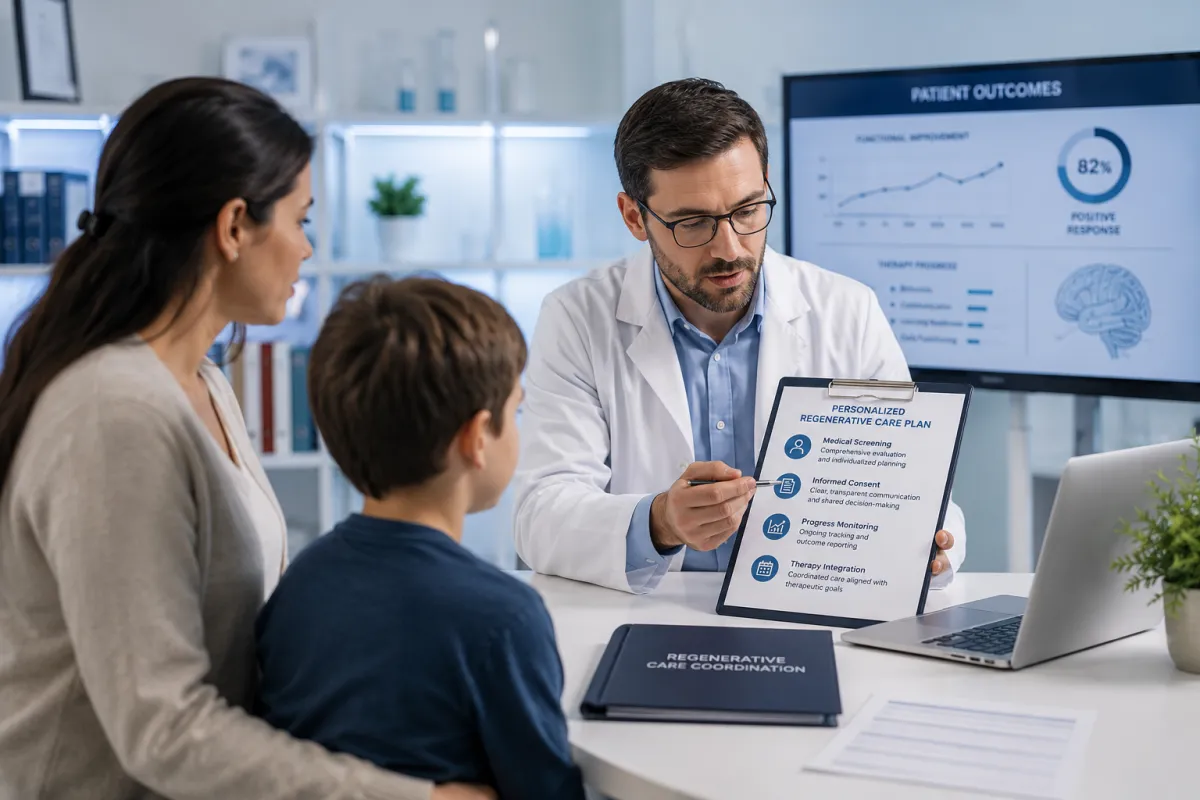
Medical screening and individualized planning by the physician
Stem cell therapy: research-informed clinical rationale
Stem cell approaches in ASD have been studied primarily for safety and early efficacy signals. A systematic review and meta-analysis reported that stem cell therapy in children with ASD “might be safe and effective,” while emphasizing limitations in study size and protocol standardization (Qu et al., 2022). Reviews discuss a mechanistic rationale for cell therapies in ASD, including neuroinflammation and immune pathways (Nabetani et al., 2023). A Phase II randomized trial of cord blood infusion provides additional data, including subgroup findings (Dawson et al., 2020).
Miami Stem Cell uses a safety-first approach: patient selection, monitoring, and explicit informed consent. We do not promise outcomes, and we integrate this pillar with intensive therapy for functional gains.
How we deliver regenerative care responsibly
Medical screening and individualized planning by the physician
Clear informed consent: benefits are not guaranteed; evidence is evolving
Monitoring and adverse event reporting pathways
Scheduling aligned with high-intensity therapy blocks to support learning readiness
Pillar 6: Regenerative Protein Arrays (RPA) + Stem Cell Therapy Deep Dive
Regenerative medicine is a core pillar
Regenerative medicine is a core pillar at Miami Stem Cell. We include it because a growing research literature describes immune and inflammatory signatures in ASD subgroups and because regenerative approaches may modulate signaling pathways relevant to neurodevelopmental function (Robinson-Agramonte et al., 2022; Than et al., 2023; Nabetani et al., 2023).
In our program, regenerative medicine is not used in isolation. It is synchronized with intensive speech and behavioral work—because biology creates readiness, but skill-building creates function.
RPA: precision signaling support
Regenerative Protein Arrays (RPA) are designed to support physiologic signaling pathways involved in recovery, inflammation modulation, and tissue resilience. In autism care, our use is goal-driven: reduce internal stress load and support regulation so therapy can land.
Targets: resilience signaling, inflammation modulation....
Used in parallel with behavior and speech targets (sleep, regulation, attention window)
Medical screening and individualized planning by the physician
Stem cell therapy: research-informed clinical rationale
Stem cell approaches in ASD have been studied primarily for safety and early efficacy signals. A systematic review and meta-analysis reported that stem cell therapy in children with ASD “might be safe and effective,” while emphasizing limitations in study size and protocol standardization (Qu et al., 2022). Reviews discuss a mechanistic rationale for cell therapies in ASD, including neuroinflammation and immune pathways (Nabetani et al., 2023). A Phase II randomized trial of cord blood infusion provides additional data, including subgroup findings (Dawson et al., 2020).
Miami Stem Cell uses a safety-first approach: patient selection, monitoring, and explicit informed consent. We do not promise outcomes, and we integrate this pillar with intensive therapy for functional gains.
How we deliver regenerative care responsibly
Clear informed consent: benefits are not guaranteed; evidence is evolving
Monitoring and adverse event reporting pathways
Scheduling aligned with high-intensity therapy blocks to support learning readiness
Measure, Reporting And Accountability
Our program is designed to be persuasive because it is measurable. We track outcomes weekly and refine the plan continuously
Our Measurement tool
Standardized scales as clinically appropriate (e.g., SRS-2, ABC, Vineland-3 domains)
Sleep and regulation tracking (sleep, diary, tolerance measures)
Behavior frequency counts (meltdowns, aggressions and self-injury if present)
Communication goal attainment
Caregiver confidence and consistency metrics
What you received
Weekly plan and summary (what worked, what to adjust)
Midpoint report (Week 6) with objective trends
Final outcomes report (Week 12) + maintenance plan
School/therapy handoff letter and home toolkit
Safety, Ethics and Informed Consent
Miami Stem Cell delivers advanced care with medical discipline. We are transparent about evidence, uncertainty and safety
Non-negotiables
We do not promise a cure for autism.
We individualize care based on the child's profile and tolerance.
We use measurement and stop rules.
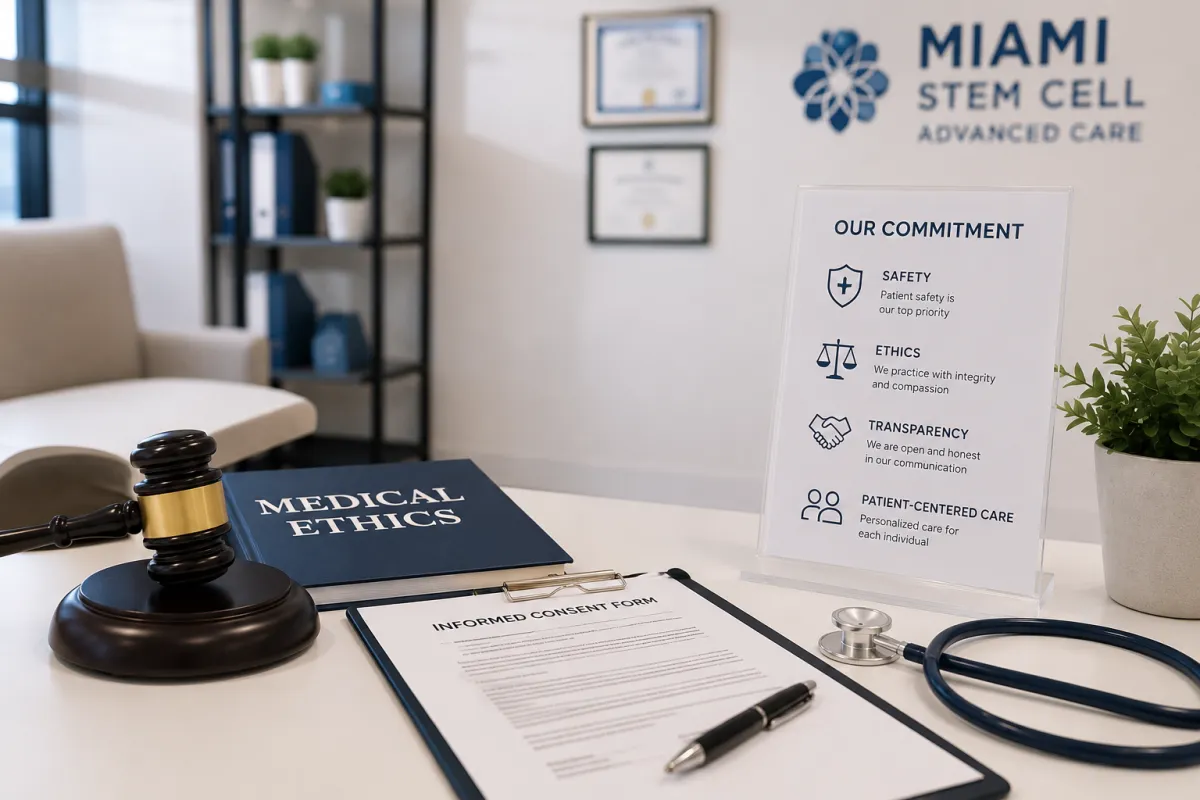
We provide written informed consent for all advanced modalities.
Regenerative medicine transparency
Regenerative medicine products are not FDA approved to treat autism and should be considered experimental.
We incorporate this transparency into our consent process and safety monitoring.
Safety, Ethics and Informed Consent
Miami Stem Cell delivers advanced care with medical discipline. We are transparent about evidence, uncertainty and safety
Non-negotiables
We do not promise a cure for autism.
We individualize care based on the child's profile and tolerance.
We use measurement and stop rules.
We provide written informed consent for all advanced modalities.
Regenerative medicine transparency
Regenerative medicine products are not FDA approved to treat autism and should be considered experimental.
We incorporate this transparency into our consent process and safety monitoring.
The 12-Week Intensive: Weekly Structure and Milestones
This program is built to create momentum quickly, then consolidate gains. Below is the standard structure; your schedule is personalize after baseline assessment.
Week 1-2: Baseline + Launch
Full assessment and targets map
Speech and behavioral plans finalized; parent coachig begins
Theta Chamber sessions begins to stabilize regulation
HBOT course begins (core pillar)
RPA + steem cell protocol initiated (core pillar) according to physician plan
Week 3-10: Intensification
High-frequency speech therapy and pragmatic communications training
Behavioral modification plan executed with tracking and weekly refinement
Theta Chamber sessions 20-4x/week
HBOT sessions scheduled across the block with monitoring
Regenerative medicine integrated per physician plan; synchronized with therapy intensity
Medical optimization (sleep, GI, nutrition) addressed as needed
Week 11-12: Consolidation + Exit Plan
Serial re-testing and outcomes synthesis
Home and school handoff plan
Maintenance plan: booster blocks, remote coaching options, periodic reassessment
Improved attention window during speech and behavioral sessions
MILESTONE
MILESTONE
WHEN
WHAT TO DO
WHAT YOU RECEIVE
Program Launch
Week 1
Comprehensive Assessment
Personalized plan + calendar
WHEN
Midpoint Review
Week 6
Focused retesting + goal updates
Midpoint report
WHAT T0 DO
First Calibration
Week 2
Review tolerance and early trends
Plan adjustment memo
WHAT YOU RECEIVE
Exit Synthesis
Week 12
End testin0 + outcomes summary
Final report + handoff
FAQ
Brain & Memory Optimization™ Program
What is the Brain & Memory Optimization™ Program?
This is a physician-guided neurological optimization program designed to improve memory, focus, mood, and cognitive performance using advanced brain technologies and regenerative biologics that support neural repair and circulation.
How is this different from taking medications for memory or mood?
This program does not rely on symptom-masking medications. Instead, it focuses on improving brain function at the physiological level through stimulation, oxygenation, detoxification, and cellular support.
Is this safe?
All therapies are -guided and selected based on your individual health profile, ensuring a safe and personalized approach to brain optimization.
Are the treatments invasive?
Most therapies in this program are non-invasive. When biologics are used, the delivery method is selected by the physician based on what is most appropriate and comfortable for the patient.
How long before I notice improvements?
Many patients report improvements in clarity and focus within the first few sessions, while deeper cognitive and neurological improvements occur progressively over the course of the program.
Is this program used for patients with cognitive decline or early dementia?
This program is often sought by individuals looking to support brain health when experiencing early cognitive changes. A physician evaluation determines appropriateness.
Regenerative Programs
Services
About Us