Precision Autism & Neurodevelopment Program
A medically-led 12-week intensive integrating speech therapy, behavioral modification, Theta Chamber neurostate training, HBOT, RPA, and stem cell therapy.
If you are raising a child on the autism spectrum, you already know the truth: the child is not “broken,” but the family is often exhausted—by fragmented care, inconsistent strategies, sleep disruption, anxiety loops, and the daily burden of “managing everything.”
Miami Stem Cell was built for families who want a different level of medicine: physician-led, coordinated, measurable, and fast. Our Precision Autism & Neurodevelopment Program integrates the most proven therapeutic pillars (speech therapy, behavioral modification, and psychotherapy) with advanced physiologic and regenerative medicine designed to optimize the internal environment that supports learning.
In this program, Hyperbaric Oxygen Therapy (HBOT) and Stem Cell Therapy are not “optional extras.” They are core components—deployed responsibly, monitored carefully, and synchronized with highintensity skills training.
We do not promise a cure. We promise disciplined medicine: clear targets, a defined schedule, serial assessment, and progress you can see.
Reduce barriers to learning. Strengthen regulation. Build communication. Stabilize behavior. Restore family calm.
Most families receive care in pieces: a school plan here, a therapist there, a pediatric visit weeks later, and no one responsible for the whole system.
Miami Stem Cell is different. We run this program the way high-performance medicine should be run—with one physician-led plan, one team, one calendar, and one measurable outcomes dashboard.
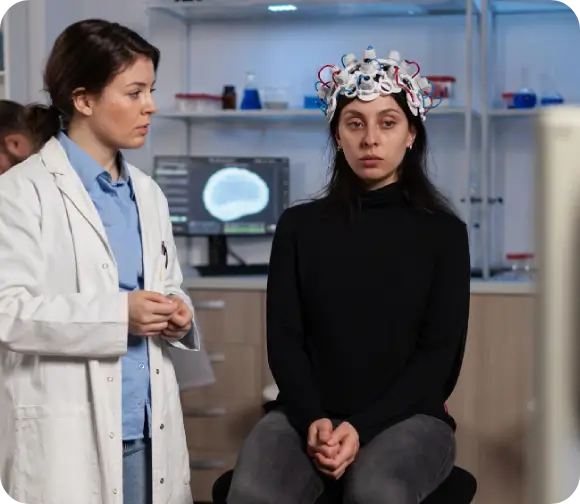
Your child’s progress depends on consistency. Our care coordinator builds a weekly schedule that works, reduces friction, and ensures follow-through. For traveling families, we design a condensed intensive calendar and provide a structured handoff plan for continuation at home.
Our program is engineered to produce compounding gains: stabilize physiology, reduce distress, then intensify skill-building—while measuring outcomes.
| Pillar | Core Component | Purpose in the Program |
|---|---|---|
| Pillar 1 | Comprehensive Assessment | Baseline + serial re-testing to guide and document progress |
| Pillar 2 | Speech & Language Therapy | Pragmatics, functional language, AAC when indicated |
| Pillar 3 | Behavioral Modification & Psychotherapy | FBA, behavior plan, parent coaching, anxiety/rigidity support |
| Pillar 4 | Theta Chamber Neurostate Training | Regulation, sleep readiness, sensory tolerance |
| Pillar 5 | Hyperbaric Oxygen Therapy (HBOT) | Oxygenation and neuroinflammation support within a measured protocol |
| Pillar 6 | Regenerative Medicine (RPA + Stem Cells) | Immunomodulation and regenerative signaling synchronized with therapy intensity |
Autism is a neurodevelopmental condition with diverse underlying biology. Many children have additional physiologic stressors—sleep disruption, gut discomfort, anxiety physiology, immune imbalance, oxidative stress, or metabolic strain—that can amplify symptoms and reduce learning readiness.
A growing scientific literature discusses immune dysregulation and inflammatory signaling differences in ASD subgroups (e.g., Robinson-Agramonte et al., 2022; Than et al., 2023; Tu et al., 2025). This does not mean one single cause—rather, it supports why a purely behavioral approach may be insufficient for some children.
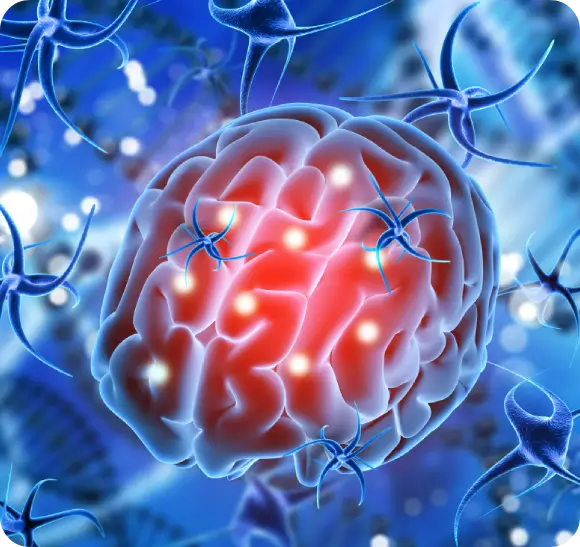
Skills training works best when the nervous system is regulated and the body is comfortable.
Physiology can be a barrier—or a force multiplier.
We treat biology and behavior together, on the same calendar.
| Challenge domain | Program response | How we measure function |
|---|---|---|
| Hyperarousal / poor sleep | Theta Chamber + behavioral sleep plan + medical optimization | Sleep logs, morning function, meltdown frequency |
| Communication frustration | Speech therapy + AAC (if indicated) + behavior plan | Functional requests, pragmatics goals, parent/teacher reports |
| Rigidity / anxiety loops | Psychotherapy tools + exposure planning + predictable routines | Transition success rates, anxiety scales when relevant |
| Inflammation/immune stress (subgroup-dependent) | HBOT + RPA + stem cell therapy (core biologic pillar) + monitoring | Function scales (ABC/SRS-2), energy, tolerance measures |
Our assessment is designed to answer one question: what is holding your child back right now—and what is the highest-leverage plan for the next 12 weeks?

We repeat focused measures at Weeks 6 and 12. This is how we avoid guesswork, justify intensity changes, and produce a handoff plan your child’s home team can follow.
| Timepoint | What we measure | Deliverable |
|---|---|---|
| Week 1 | Baseline scales + functional targets map | Written plan, weekly schedule, home toolkit |
| Week 6 | Focused re-testing + goal review | Midpoint report + plan refinement |
| Week 12 | End-of-intensive re-testing | Outcomes report + maintenance and school handoff plan |
Communication is a clinical priority. When a child can express needs and understand others, behavior improves and learning accelerates.

Systematic review evidence supports pragmatic/social communication interventions across multiple programs and age ranges (Parsons et al., 2017). Recent pragmatic intervention trials continue to report improvements in language competencies (e.g., Pereira et al., 2025).
Speech therapy is coordinated with behavioral goals and scheduled at high frequency during Weeks 3–10. We emphasize generalization: a skill is not “learned” until it appears at home and in daily routines.
Behavioral change is not achieved through advice—it is achieved through a structured plan, consistent implementation, and real-time feedback.
Jordyn Dooley leads the psychological and behavioral components, integrating functional behavior principles, parent coaching, and therapeutic tools that reduce distress and expand coping capacity.

Cochrane’s review of Early Intensive Behavioral Intervention (EIBI) concludes evidence is limited but suggests potential benefit in some domains for some children (Reichow et al., 2018). Our program uses these principles and integrates medical optimization to reduce barriers to learning.
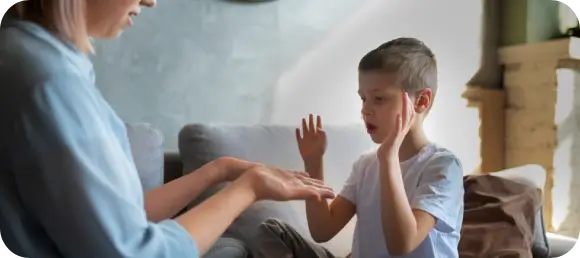
Many children on the spectrum live in chronic physiologic “high alert.” In that state, learning and social engagement are hard.
The Theta Chamber is our calm-training environment. Sessions are predictable, guided, and paired with regulation skills and parent cues so benefits transfer to home.
HBOT is a core pillar of the Miami Stem Cell program. It is deployed within a structured protocol, monitored medically, and synchronized with intensive therapy.
HBOT involves breathing oxygen at increased atmospheric pressure, which increases dissolved oxygen in plasma and enhances tissue oxygen availability. In neurological contexts, HBOT has been studied as a neuromodulatory and recovery-support intervention, with proposed effects on inflammation signaling, mitochondrial function, and neuroplasticity (Bin-Alamer et al., 2024; Vlodavsky et al., 2006).
We do not treat autism as one mechanism. We treat the child’s functional barriers. HBOT is included because many ASD presentations include physiologic stressors—sleep disruption, neuroimmune activation, oxidative stress, and limited regulation capacity—that can reduce learning readiness.
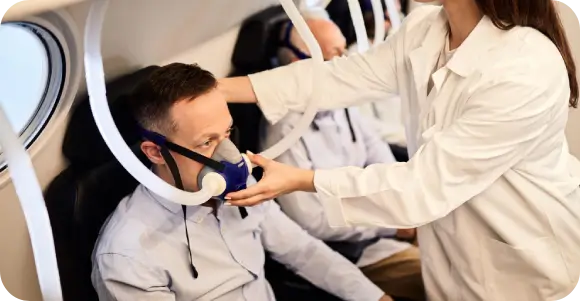

The HBOT-ASD literature has been controversial. Some controlled trials report improvements in overall functioning and specific domains such as receptive language and sensory awareness (Rossignol et al., 2009). Other randomized trials have reported more limited effects (Granpeesheh et al., 2010). A 2025 systematic review and meta-analysis found statistically significant improvements across several outcomes while noting heterogeneity and variable study quality (Tu et al., 2025). Cochrane’s review has been more cautious regarding evidence strength (Xiong et al., 2016).
Our position is clinical and practical: we integrate HBOT within a measured program and continue only when the child’s function is trending positively with acceptable tolerance.
Regenerative medicine is a core pillar at Miami Stem Cell. We include it because a growing research literature describes immune and inflammatory signatures in ASD subgroups and because regenerative approaches may modulate signaling pathways relevant to neurodevelopmental function (Robinson-Agramonte et al., 2022; Than et al., 2023; Nabetani et al., 2023).
In our program, regenerative medicine is not used in isolation. It is synchronized with intensive speech and behavioral work—because biology creates readiness, but skill-building creates function.
Regenerative Protein Arrays (RPA) are designed to support physiologic signaling pathways involved in recovery, inflammation modulation, and tissue resilience. In autism care, our use is goal-driven: reduce internal stress load and support regulation so therapy can land.
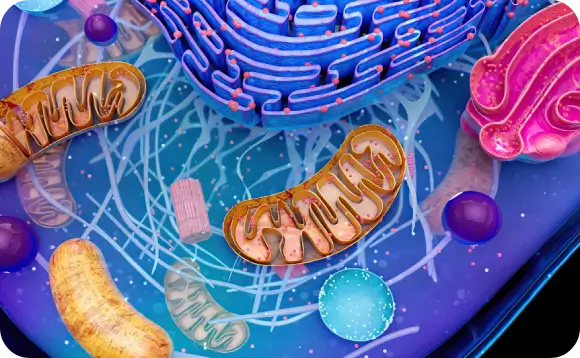
Stem cell approaches in ASD have been studied primarily for safety and early efficacy signals. A systematic review and meta-analysis reported that stem cell therapy in children with ASD “might be safe and effective,” while emphasizing limitations in study size and protocol standardization (Qu et al., 2022). Reviews discuss a mechanistic rationale for cell therapies in ASD, including neuroinflammation and immune pathways (Nabetani et al., 2023). A Phase II randomized trial of cord blood infusion provides additional data, including subgroup findings (Dawson et al., 2020).
Miami Stem Cell uses a safety-first approach: patient selection, monitoring, and explicit informed consent. We do not promise outcomes, and we integrate this pillar with intensive therapy for functional gains.

This program is built to create momentum quickly, then consolidate gains. Below is the standard structure; your schedule is personalized after baseline assessment.
| Milestone | When | What we do | What you receive |
|---|---|---|---|
| Program Launch | Week 1 | Baseline assessment + schedule build | Personalized plan + calendar |
| First Calibration | Week 2 | Review tolerance and early trends | Plan adjustment memo |
| Midpoint Review | Week 6 | Focused re-testing + goal updates | Midpoint report |
| Exit Synthesis | Week 12 | End testing + outcomes summary | Final report + handoff |
Our program is designed to be persuasive because it is measurable. We track outcomes weekly and refine the plan continuously.
Miami Stem Cell delivers advanced care with medical discipline. We are transparent about evidence, uncertainty, and safety.

Regenerative medicine products are not FDA approved to treat autism and should be considered experimental. We incorporate this transparency into our consent process and safety monitoring.

Is this program only for young children?
We tailor the program for children, adolescents, and young adults. The intensity and goals are individualized.
Do you replace my child’s existing therapy team?
No. We integrate and coordinate. Many families continue local services while completing the Miami Stem Cell intensive.
What if my child is fearful of the hyperbaric chamber?
This is common. The behavioral track provides gradual exposure and comfort strategies, and we adjust the plan until the child succeeds.
How do you define success?
Functional change: better sleep, calmer regulation, improved communication, better tolerance of transitions, and measurable behavior improvements. We quantify progress with serial measurement.